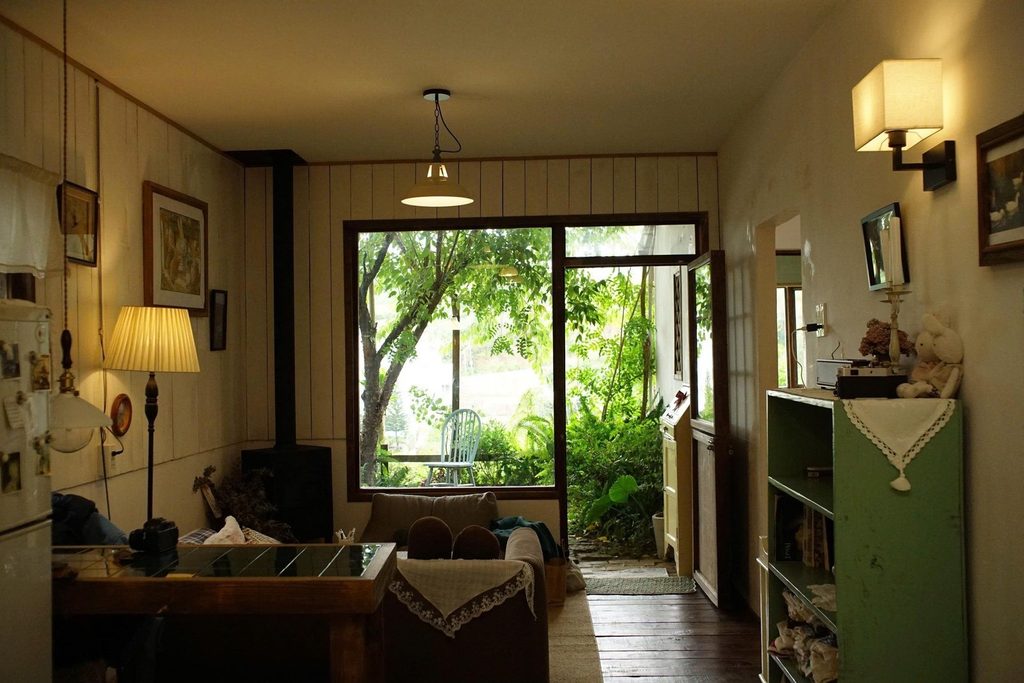
Beneath the engineering, the people, the records, and the systems sits the deepest infrastructure of the trade, which is trust. We are not hired to clean a building. We are hired into the care of what someone else owns and lives in, and that is a thing held, not a thing sold.
Six manifestos, and the thing underneath all of them
Six Sunday manifestos so far in this series. The first argued that cleaning is engineering, the preservation of what others have built. The second argued that the trade is people, and that training is the lever. The third argued that documentation is the spine that holds the work up. The fourth argued that education is what we owe the customer before we are ever hired. The fifth argued that discipline, the saying of no, is what protects the standard. The sixth argued that scale done properly is the multiplication of a standard rather than its dilution. Together they describe how a serious cleaning company should operate.
This seventh manifesto goes underneath all six to the thing they rest on. Trust. The engineering matters because the customer trusts us with the fabric of what they own. The people matter because the customer trusts the person who walks into their home. The documentation matters because it makes the trust verifiable. The education matters because it is trust offered before it is asked for. The discipline matters because it is trust kept when keeping it costs us a sale. And the scale matters because it is trust held at volume without thinning. Trust is not one more dimension of the operating philosophy. It is the ground the whole philosophy stands on.
This Sunday is the case that trust is the deepest infrastructure of the trade, that the customer is a partner rather than a transaction, and that what a serious firm holds is not a job but a stewardship, the care of what someone else owns and lives in, extended across years. The frame is not sentiment. It is the most practical thing about the work, because everything we have argued across six weeks fails the moment the trust does.
What we are actually hired into
Consider what a customer does when they hire a cleaning firm. They hand a stranger the keys to the place where they live, or where they run their business, or where their tenants live, or where their patients are cared for, or where their children spend their days. They grant access to their home and their possessions, often when they are not present. They expose the private state of their lives, the mess, the wear, the things behind the cupboard doors, to a person they have known for an hour. And they ask that person to handle the surfaces and the assets that make up a large part of their material world, with chemistry and equipment that can protect or damage them.
This is an extraordinary act of trust, and the trade has almost entirely failed to notice it. The transactional framing, a clean is a clean, a quote is a number, treats this handing over of access and assets as if it were the purchase of a commodity, like filling a car with fuel. It is nothing of the kind. The customer is not buying litres of cleaning. They are admitting someone into the care of what is theirs. The cleaning is the visible act. The thing actually transacted is trust, and the cleaning is merely how that trust is expressed and tested.
Once you see this, the whole trade reorganises around it. The arrival ritual, the way an operator presents at the door and treats the threshold, is not a courtesy. It is the first moment of a trust being honoured or violated. The care taken with the customer’s possessions, the leaving of the space as it was found or better, is the trust kept in the small physical details. The turning up when promised, the honesty about what was found, the absence of nasty surprises, is the trust maintained over time. We are not hired to clean a building. We are hired into the care of it, and the difference between those two framings is the difference between the trade as it is and the trade as it should be.
Trust as infrastructure
Call trust infrastructure rather than feeling, because that is what it is in this trade, the foundation on which everything else is built and without which nothing else stands. Infrastructure is the unseen thing that makes the visible things possible. Trust is exactly that, unglamorous, rarely named, and the thing the entire relationship between a firm and its customers runs on top of.
Trust is what makes the repeat relationship possible, and the repeat relationship is where all the value in this trade lives. A one off transaction captures nothing. A customer who returns year after year, who grants standing access, who lets the firm hold a record of their home and learn its assets, who refers others, is a relationship that compounds, and it exists only because the trust has been kept every single time. One violation, one theft, one damaged asset hidden rather than disclosed, one surprise on the invoice, and the infrastructure cracks and the relationship with it. Trust is built slowly across many kept promises and destroyed quickly by one broken one. That asymmetry is the central fact of the trade’s economics, and it is why trust is infrastructure rather than ornament.
Trust is also what carries a firm into the spaces that matter most. The healthcare facility, the childcare centre, the aged care setting, the strata committee responsible for other people’s homes, the property manager responsible for an owner’s asset and a tenant’s safety. These are not jobs you win on the cheapest quote. They are responsibilities you are admitted into on the strength of trust, because the consequences of failure are too serious for price to decide. A childcare centre is not choosing a cleaner. It is choosing who to trust with the environment its children breathe. A property manager is not buying a service. They are extending to a firm the trust an owner extended to them. The deeper the responsibility, the more clearly trust, not price, is the thing being transacted.
The customer as partner
The transactional trade treats the customer as a counterparty, the other side of a deal, to be won at the lowest price and served to the minimum standard the price supports. The serious trade treats the customer as a partner, and the difference is not a softer word for the same relationship. It is a structurally different relationship with different obligations on both sides.
A partner is owed honesty, including the honesty that costs us. We have argued across this series that we will tell a customer when their timber floor does not need a polish, when a job is simpler than they feared, when a patch of mould is small enough to clean themselves, when a service they are asking for is not the one they need. A counterparty is told whatever wins the sale. A partner is told the truth, because the relationship is worth more than the transaction, and because trust is built precisely in the moments when we put the customer’s interest ahead of our own immediate gain. The honesty that loses a sale today is the deposit that earns the relationship for a decade.
A partner is also owed continuity and memory. The customer file we keep, the record of their home and its assets across years, is the partnership made concrete. We remember what we found last time, we flag the surface approaching its maintenance point before the customer notices, we approach them with recommendations grounded in their specific history rather than generic upsell. The customer experiences a firm that knows their home, which is the experience of a partner rather than a vendor. And the file belongs to them, openable on request, going with them if they leave, because we hold it in trust rather than as leverage. The transparency is the proof of the trust.
And a partner participates. The property manager who learns from us what an exit clean actually protects. The strata committee that comes to understand the assets it is responsible for. The commercial client who learns that their building’s air is a maintenance outcome. We educate because an informed partner makes better decisions and because education offered freely is trust offered freely. The customer as partner is not a marketing posture. It is a commitment to honesty when honesty costs us, to continuity and memory held in trust, and to treating the customer as a participant in the care of what is theirs rather than the other side of a deal.
What we hold in trust across decades
The deepest expression of the trust is the longest one, the stewardship of an asset across years and even decades, on behalf of an owner whose interest extends far beyond any single visit. This is where the trade stops being a service and becomes a stewardship, and it is the highest form of what a serious cleaning firm does.
Consider the timeline of a building’s surfaces. A carpet’s life depends on how it is maintained across the decade it should last. A timber floor’s coating reaches its recoat point in years, and whether the timber beneath survives depends on whether that recoat happens on schedule. Grout, stone, upholstery, every surface has a maintenance arc measured in years, and the owner’s capital is preserved or eroded across that arc by the decisions made at each cleaning. A firm that holds a customer across that timeline is holding the owner’s capital in trust, making at each visit the decision that protects the asset for the years ahead rather than the one that is cheapest today.
This is what the asset protection doctrine means at its deepest. We are not maintaining the appearance of a surface for a day. We are stewarding an asset across its life on behalf of someone who is trusting us to make, visit after visit, the choice they would make if they had our knowledge. To extract the carpet properly so it lasts the decade it should. To recommend the recoat at the right interval so the timber survives. To refuse the method that would damage the asset even when the customer asks for it. To flag the maintenance the asset needs before the neglect becomes a cost. Each of these is a small act of stewardship, and across years they compound into the difference between an asset preserved and an asset prematurely lost.
And the stewardship extends beyond the asset to the people. The healthcare environment we keep is the safety of patients held in trust. The childcare centre we maintain is the health of children held in trust. The home we clean is the wellbeing of a family held in trust, the air they breathe, the surfaces their children touch, the rest they get in a clean bedroom. The flooded house we dry is a family’s recovery held in trust in the worst week of their year. We hold, across decades, the assets and the wellbeing of the people who admit us into their spaces. That is a weight, and the firms worthy of it feel it rather than feeling only the invoice.
Why the trade has not seen this
If trust is the deepest infrastructure of the trade, why has the trade so thoroughly failed to organise around it. The answer is the same structure that has driven every failure we have named across this series. The transactional model and the race to the bottom are corrosive to trust, because they reframe every relationship as a deal and every deal as a price.
A trade that competes only on price has no room to invest in trust, because trust is built through the things the cheap price cuts. It is built through the retained operator the customer comes to know, and casualisation removes that. It is built through the documentation that makes the work verifiable, and the cheap margin cannot fund it. It is built through the honesty that sometimes loses a sale, and a firm surviving on the cheapest transaction cannot afford to lose one. The structure that produces poor cleaning also produces a poverty of trust, because trust and competent work are watered by the same investments, and the race to the bottom starves them both.
There is also the trade’s failure to value itself. A trade that sees itself as a commodity sees the customer as a buyer of a commodity, not as a partner in a stewardship. When you believe you are selling litres of cleaning, you cannot see that you are being trusted with the care of what someone owns and loves. The reframing from service to stewardship requires first the reframing from commodity to craft, which is the argument the whole series has been making. You arrive at trust as infrastructure only once you have stopped seeing the work as a transaction, and the trade, by and large, has not.
The Crusader position on trust
A Crusader engagement is built as a trust held, not a job sold, and the commitments that follow are the practical shape of that. They are the same commitments that run through every manifesto in this series, gathered now under the thing they all serve.
We honour the access. The keys, the entry, the privacy of the spaces we are admitted into are treated as the trust they are, through the arrival ritual, the care with possessions, the leaving of a space as it was found or better, and the conduct of operators who understand they are guests in someone’s life.
We tell the truth, including when it costs us. We will say when a job is simple, when a service is not needed, when an asset does not require the work being asked for. The honesty that loses a sale is the deposit that earns the relationship, and we would rather keep the trust than win the transaction.
We hold the record in trust, not as leverage. The customer file, the history of their home and its assets, is kept for their benefit, opened to them on request, and goes with them if they leave. The transparency is the proof that the relationship is a partnership.
We steward the asset across its life. At every visit we make the decision that protects the owner’s capital for the years ahead rather than the one that is cheapest today, because we are holding the asset in trust across its arc, not maintaining its appearance for a day.
We carry the weight of the spaces that matter. The healthcare setting, the childcare centre, the flooded family home, are held with the seriousness their consequences demand, because in those spaces it is plainest that what we hold in trust is people, not just surfaces.
The bold position
The deepest infrastructure of the cleaning trade is not chemistry, equipment, documentation, or systems, though we have argued for all of them. It is trust, and the trade’s gravest failure is that it has not seen this. The transactional model treats the handing over of keys, access, privacy, and assets as the purchase of a commodity, when it is in fact an extraordinary act of trust, the admission of a stranger into the care of what someone owns and lives in. The race to the bottom starves trust along with everything else, because trust is built through the retained people, the documentation, the honesty, and the continuity that the cheapest price cuts. A trade that sees itself as a commodity cannot see that it is being trusted with a stewardship, and so it keeps selling jobs while customers are quietly extending it the care of their material world.
The alternative is to recognise what we are actually hired into and to organise the whole firm around it. The customer is a partner, owed honesty even when it costs us, owed continuity and memory held in trust rather than as leverage, owed participation in the care of what is theirs. What we hold is not a job but a stewardship, the assets and the wellbeing of the people who admit us, carried across years and decades, with every visit a small act of preserving what was entrusted. This is the practical foundation beneath the engineering, the people, the records, the education, the discipline, and the scale. They are all expressions of trust kept, and they all fail the moment the trust does.
And so the seventh manifesto closes where the series has been heading all along. Cleaning is engineering, and craft, and a profession, and a system. But underneath all of that, it is a trust we are hired into, the care of the spaces other people live and work in, held on their behalf across years. The firms worthy of the trade are the ones that feel the weight of that trust rather than the weight of the invoice. We feel it, and we have built the firm to honour it. The keys are handed over. The trust comes with them. We hold it as what it is, and we hold it as if the decades depended on it, because they do.
Built for impact. Driven by excellence. Guided by purpose. Authenticity is the ultimate competitive advantage.
Cleaning Crusader. Built for impact. Driven by excellence. Guided by purpose.