A carpet cleaning appointment does not begin with a machine. It begins with a walk through the property, a shared inventory of what already exists, and a plain conversation about what happens next. This is the choreography that prevents every dispute before it can start.
The five minutes that decide the whole appointment
A Crusader operator arrives at a home in Bayswater for a scheduled carpet clean and does not touch the equipment for the first several minutes. The van stays loaded. The hoses stay coiled. Instead, the operator asks the client to walk the property with them, room by room, before anything begins. This is not a delay. It is the appointment’s most important step, and it is the step most carpet cleaners in this city skip entirely.
The reason it matters is simple and structural. Carpet cleaning is one of the few home services where the client and the operator are both looking at the same surface before and after, and where a genuine, honest disagreement can arise afterward about what the carpet looked like on arrival. A worn patch near a doorway, a faint stain under a rug that has sat there for years, a colour change from sun exposure near a glass door. None of these are things a carpet clean can fix, and none of them should be mistaken, after the fact, for something the appointment caused. The walk through exists to settle that question before the work starts, not after.
This is a different ritual from the one our flood teams run on arrival to a water damage callout, which is built around urgency and triage. It is a different ritual again from the consent conversation our upholstery teams hold before touching a client’s furniture, which is built around fibre risk and informed choice. The carpet ritual is built around something else entirely, a shared, documented starting point, so that the only thing that changes between the beginning of the appointment and the end of it is exactly what the appointment was booked to change.
Walking the property before the equipment comes in
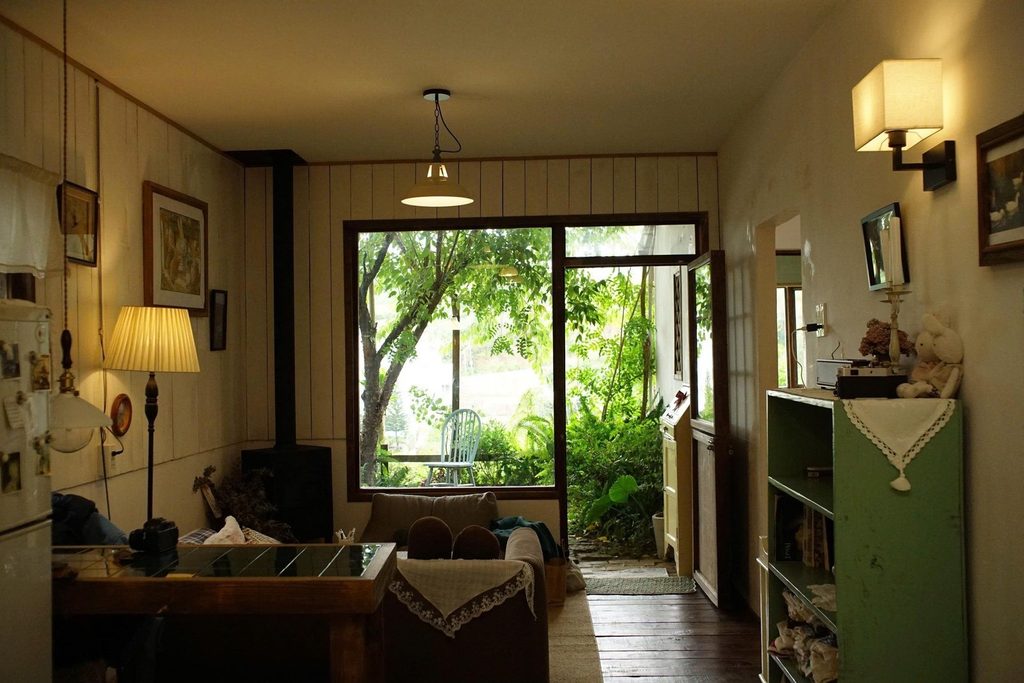
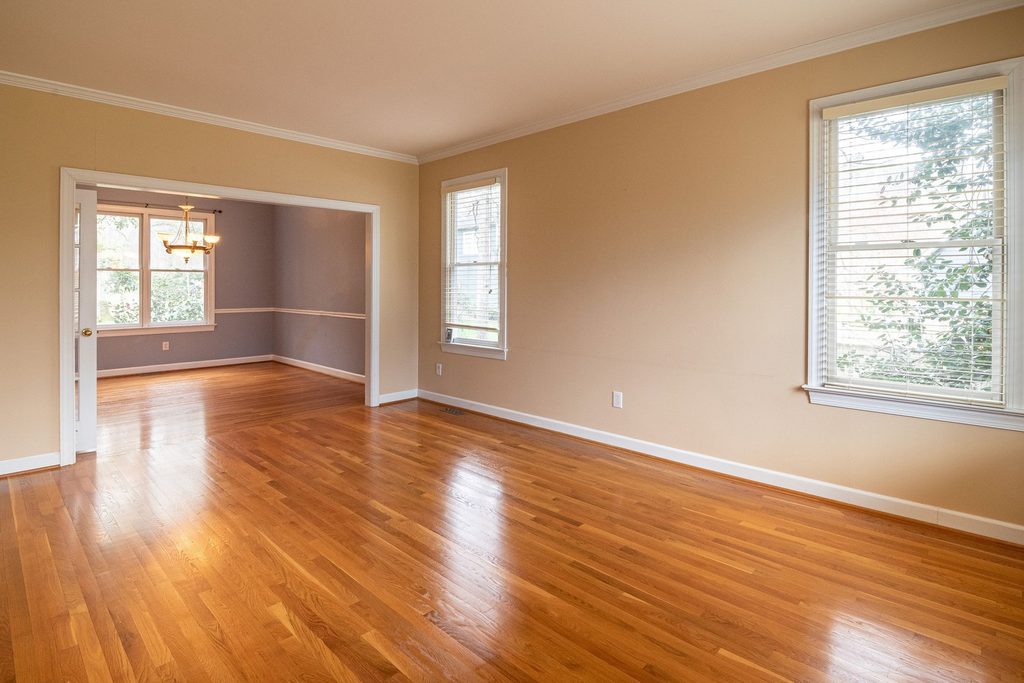
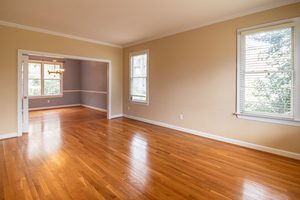
The walk through follows the same sequence in every home, regardless of size. The operator moves through each room that is scheduled for cleaning, with the client present, and looks at the carpet the same way an inspector looks at a property before a sale. Wear patterns near high traffic paths. Any existing staining, however faint. Colour variation from sunlight exposure. Any area where the pile has been flattened permanently by furniture that has not moved in years. Any transition strips, thresholds, or edges that show pre existing damage unrelated to soiling.
Each observation is stated aloud, at the time, in front of the client, rather than noted silently and mentioned only if a question comes up later. This is a deliberate choice. A note taken silently protects the company on paper. An observation stated aloud, together with the client, in the moment, protects the relationship, because the client has heard it directly rather than being told about it after the fact from a document they were not present for.
Photographs are taken of anything flagged, both as a record for the job file and as a shared reference the client can look at themselves if a question arises later. This is not a defensive measure aimed at the client. It is a transparency measure aimed at removing ambiguity from a job where ambiguity is the single most common source of a dispute in this trade.
What gets moved, and what does not
Furniture is the second decision the walk through settles. Some furniture needs to move for the cleaning to reach the carpet underneath properly. Some furniture should not be moved, either because of its weight, its fragility, or because the client has a preference the operator has no reason to override. The walk through is where this gets agreed, item by item, rather than assumed.
The operator identifies what the team will move as standard practice, typically light furniture such as chairs and small tables, and explains how it will be handled, including any protective measures used under legs and feet to prevent moisture transfer to the furniture itself during the drying period. Heavier items, such as bookcases, wardrobes, and furniture the client would rather move themselves in advance, are agreed separately. Where a client asks the team to move something the operator judges as a genuine risk, whether to the item or to the people moving it, the operator says so plainly rather than agreeing simply to keep the appointment moving.
This conversation also covers small items left on the floor, cables, toys, and personal items that need to be cleared before cleaning can begin. Naming this at the start, rather than discovering it room by room during the job, keeps the appointment on schedule and avoids the operator having to make judgement calls about a client’s belongings without them present.
Setting drying time expectations honestly
The third element of the ritual, and the one most often skipped by operators trying to close an appointment quickly, is a plain explanation of drying time before any cleaning begins. Clients routinely expect a carpet to be walkable, in normal shoes, within an hour of a clean finishing. This expectation is usually wrong, and an operator who does not correct it before starting is setting up a complaint that has nothing to do with the quality of the clean itself.
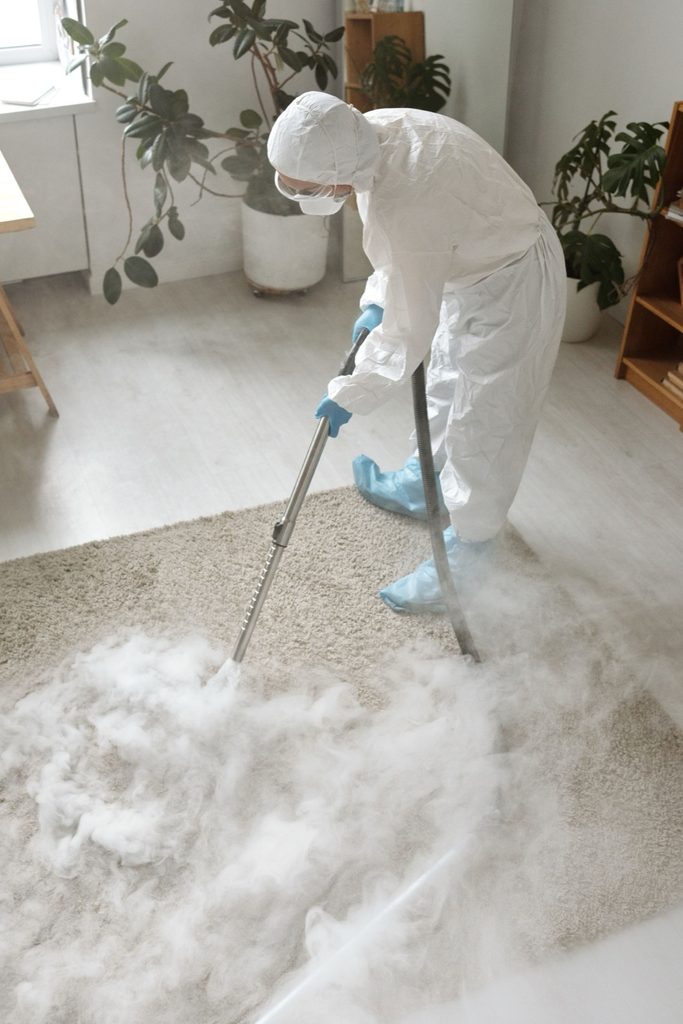
Hot water extraction, the primary method used for most Crusader carpet appointments, leaves carpet fibre and the underlying pad with residual moisture that needs time and airflow to fully release. Under normal Perth indoor conditions, with reasonable ventilation and air movement, most carpets return to a safe, fully dry state within roughly six to twelve hours, with variation depending on pile density, underlay type, humidity, and whether air movers are used during the drying period. The operator states this range at the walk through, before the first hose is unrolled, along with practical guidance, sock feet only until fully dry, no heavy furniture returned to its position until the carpet has dried through, and pets kept off freshly cleaned areas during the drying period.
This single conversation, held honestly and specifically rather than generically, removes almost every drying related complaint the trade sees. A client who has been told the carpet will feel damp for several hours and who has been given a specific expected range does not call in alarm when the carpet feels damp four hours later. A client who was never told anything, and who assumed a carpet clean works like vacuuming, calls immediately.
The Crusader arrival standard
Every Crusader carpet appointment follows the same sequence, regardless of which operator attends. Walk through first, with observations stated aloud and photographed. Furniture agreement second, item by item, with any risk judgement stated plainly rather than deferred. Drying time explanation third, specific to the home’s conditions rather than a generic line. Only after these three steps does the equipment come off the van.
This sequence is written into the job standard, not left to individual operator discretion or personality. A client should receive the identical ritual whether the operator attending has been with the company for one year or for ten. Consistency across operators is what turns a good individual experience into a brand the client trusts before the next booking, rather than a lottery based on who happened to be rostered that day.
The walk through in reverse
The ritual has a second half that most carpet operators never think to run, because they treat the appointment as finished the moment the extraction equipment goes quiet. A Crusader operator walks the property a second time before packing the van, this time with the client, confirming the result against what was agreed at the start rather than simply announcing the job is done.
This closing walk through covers three things specifically. First, the areas flagged as pre existing wear or staining during the opening walk through are shown again, side by side with the client’s own memory of the earlier conversation, so there is no confusion later about whether those areas were touched by the appointment or were always going to remain as they were. Second, any furniture the team moved is confirmed back in its original position, with the client present to agree it has been placed correctly rather than discovering afterward that a piece has shifted from where it stood. Third, the drying time guidance given at the start is repeated once more at the end, in the same specific terms, because a client who has just spent an hour or more focused on a different part of the home benefits from hearing the instruction again rather than relying on a single mention at the very beginning of the visit.
This closing ritual matters for a reason beyond simple courtesy. An appointment that opens with a shared inventory and closes with a shared confirmation leaves almost no room for a disagreement to form afterward about what happened in between. The client was present for the starting point, present for the furniture agreement, and present again at the end to confirm the result matches what was promised. Disputes in this trade rarely arise from a bad clean. They arise from a gap between what a client expected and what an operator delivered, and a closing walk through is the simplest possible way to confirm, out loud, that no such gap exists before the operator leaves the property.
Eco chemistry, part of the same honesty
The same transparency extends to the chemistry used during the appointment. Our carpet chemistry bench is built on plant derived surfactants, biodegradable within twenty eight days under OECD 301, unfragranced, with no quaternary ammonium compounds used in routine carpet cleaning. Clients are told what is being used on their carpet during the walk through if they ask, and increasingly they do ask, because households with children, pets, and allergy sensitivities have a legitimate interest in what sits in their carpet fibre after an appointment. An operator who cannot answer that question plainly has not been given the same information the client deserves.
Long lasting client tips
First. Walk your own home before the appointment and note anything you already know is pre existing wear or staining. Raising it yourself, before the operator does, speeds up the walk through and confirms both of you are seeing the same thing.
Second. Clear small items, cables, and toys from carpeted areas before the appointment where you can. It keeps the job moving and avoids the operator having to guess what should and should not be picked up.
Third. Ask the operator directly for a specific drying time estimate for your home, not a generic figure. Pile type, underlay, humidity, and airflow all change the number, and a specific answer is more useful than a rounded one.
Fourth. Plan foot traffic around freshly cleaned rooms for the stated drying period. Sock feet only, no heavy furniture returned early, and pets kept off the area until the carpet has fully dried through.
Fifth. Ask to see the photographs taken during the walk through if any pre existing wear or staining was flagged. Having your own copy of the record removes any ambiguity later.
Sixth. If you notice something after the appointment that concerns you, raise it promptly rather than waiting. A concern raised the same week is straightforward to review against the walk through record. A concern raised months later is much harder for either side to assess fairly.
The bold position
Too many carpet appointments in this city begin with a machine and end with a dispute, because nobody looked at the carpet together before the work started. The operator assumes the client will not notice pre existing wear. The client assumes the operator inspected everything and would have said something. Neither assumption is safe, and the gap between them is where the complaint lives.
We will name the failure mode plainly. An industry that treats the walk through as optional, or skips it to save five minutes on a tight schedule, is trading a small amount of time for a much larger amount of risk, and often for a client relationship that ends after a single appointment over a misunderstanding that a two minute conversation would have prevented entirely.
Cleaning Crusader treats the walk through, the furniture agreement, and the drying time conversation as fixed parts of every carpet appointment, not optional courtesies offered when an operator remembers. The ritual before we extract is where the trust for the appointment is actually built. The extraction itself is simply where we deliver on it.
We engineer the benchmark. We do not follow.
Cleaning Crusader. Built for impact. Driven by excellence. Guided by purpose.