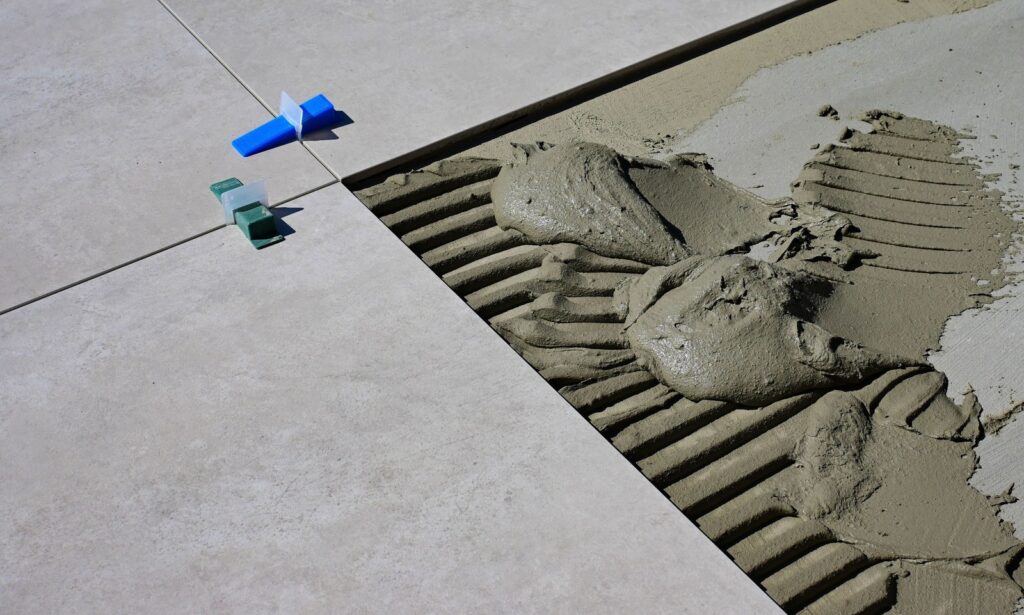
A brand new epoxy grouted floor should be the easiest surface in the house to keep clean, and instead it often stays faintly hazy for years, because most operators, and most homeowners, are fighting a bonded polymer film with chemistry built to dissolve mineral scale, which is an entirely different problem wearing the same dull grey look.
The new floor that never came clean
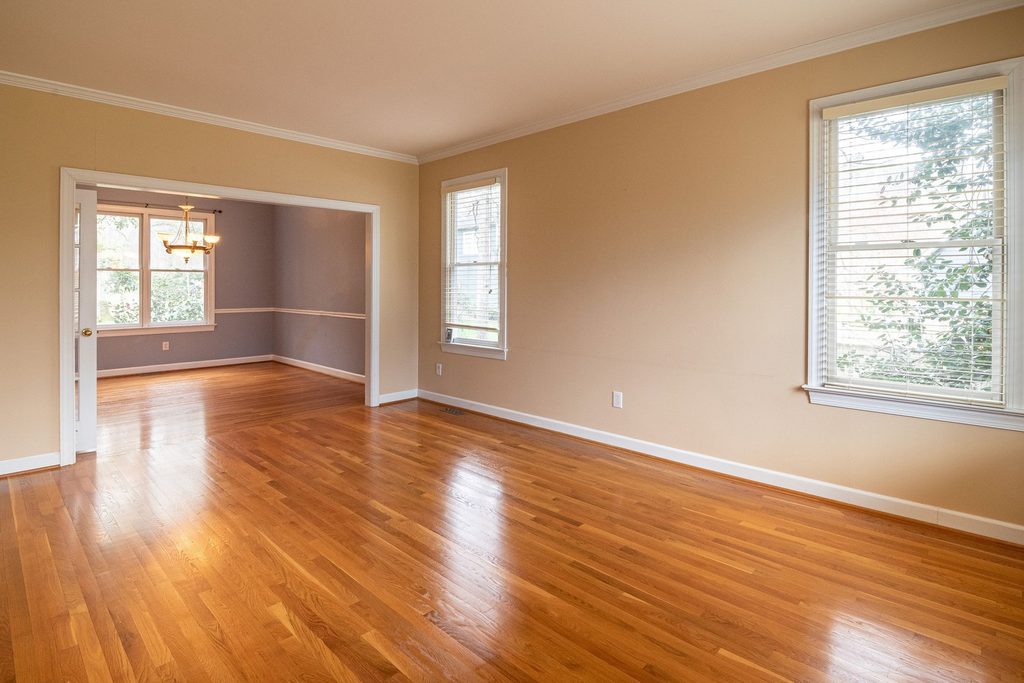
A homeowner has just paid for a full tile installation, kitchen or bathroom, chosen an epoxy grout specifically because it was sold to them as the premium, stain resistant option, and watched the tilers finish the job to what looks like a good standard. Within a few weeks, though, something is wrong that nobody can quite explain. The tile itself, glazed and glossy where it was chosen, has a persistent dull, milky film sitting across its surface, most visible at an angle in direct light, worst in the corners and along the edges near the grout lines. It looks, to most eyes, like the floor was never properly cleaned after installation.
The homeowner tries the obvious things. A standard tile cleaner. A stronger bathroom cleaner. A bottle of vinegar, because that is the advice a search engine gives for grout haze. None of it moves the film even slightly. A professional cleaner is eventually called in, applies a standard descaling product formulated for cement based grout haze, and it does nothing either. The floor that was meant to be the easiest surface in the home to maintain has instead become the one surface nobody, including several people who were paid to fix it, has been able to bring up clean. This is not a rare complaint. It is a routine and largely unrecognised failure sitting behind a huge number of new tile installations, and it happens because epoxy grout haze is not the same substance as the cement grout haze the trade has spent decades learning to remove.
Why epoxy grout exists and what it actually is
Cement based grout, the traditional material used between tiles for most of the trade’s history, is a mineral product, cement, sand, and pigment, mixed with water and left to cure through a chemical hydration reaction. It is porous, it stains relatively easily, and it needs periodic sealing to hold up against moisture and soiling. Epoxy grout was developed specifically to solve those weaknesses. It replaces the mineral binder with a two part thermoset resin system, a resin component and a hardener component mixed together on site, which cures through a polymerisation reaction rather than by drying out. The result is a grout that is essentially non porous, highly resistant to staining, and does not require sealing, which is exactly why it has become the preferred choice for kitchens, bathrooms, and any wet area where a homeowner wants the lowest possible ongoing maintenance.
The property that makes epoxy grout so durable in the joint is the same property that creates the haze problem on the tile face around it. During installation, the epoxy is worked into the grout lines and the excess is wiped from the tile surface using water and a sponge, within a limited working window before the material begins to cure. If that cleanup is not thorough enough, or is not completed before the resin starts setting, a thin residual film of the same cross linked polymer that makes the grout so durable is left sitting on the tile face itself, and it cures there exactly as designed, into a chemically stable, adhered plastic coating. This is not a soil sitting on the tile. It is a genuine, if very thin, layer of cured resin bonded to the glaze.
Why a mineral haze remover cannot touch a polymer film
This is the distinction the trade routinely misses, because two very different problems produce a visually identical dull, milky appearance on tile. Cement grout haze is a mineral deposit, largely unreacted cement particles and efflorescence left on the tile face after a traditional grouting job, and it is chemically similar to the hard water scale a mild acid dissolves so effectively. An acidic descaler, phosphoric, sulfamic, or citric acid formulations, breaks down that mineral film readily, because it is attacking a reactive mineral compound the same way it attacks limescale.
Cured epoxy resin is not a mineral compound at all. It is a cross linked polymer, a plastic, chemically closer to the resin used in a two part adhesive than to anything cement based. Once it has fully cured, it is deliberately, by design, resistant to acids, alkalis, and most general solvents, because resistance to chemical attack is precisely the property that makes epoxy grout desirable in the joint in the first place. Applying an acidic mineral haze remover to a cured epoxy film is asking the wrong chemistry to fight the wrong kind of bond entirely. The acid has nothing to react with. It is not attacking a mineral structure. It cannot dissolve a polymer, and no amount of extra product, extra scrubbing, or repeat attempts changes that fundamental mismatch. This is precisely why a homeowner and even a competent general cleaner can work through several different tile cleaning products, all of them genuinely effective against ordinary grout haze, and see no improvement whatsoever on an epoxy film, because they are all formulated to solve a different chemistry problem than the one actually sitting on the floor.
Identifying the haze correctly
Before any correct treatment can be applied, the film has to be identified for what it actually is, and there are a small number of reliable indicators an experienced operator checks for.
The haze typically appears heaviest in the corners, along tile edges, and in the grout adjacent zone, the exact pattern left behind by sponge cleanup during installation, rather than an even film across the entire floor, which would suggest something else entirely, such as a sealer residue or a manufacturing defect. The film does not respond at all to a standard acidic descaler, even after a reasonable dwell time, which is itself diagnostic, because a genuine mineral haze almost always shows at least some visible reaction to a mild acid within a few minutes. A fingernail or a plastic scraper run gently across the surface, in an inconspicuous test area, often reveals a very slight, continuous film that lifts in a thin sheet or flake rather than a powder, consistent with a cured resin coating rather than a mineral deposit. Where genuine doubt remains, a small solvent spot test on an inconspicuous corner, using a product intended for epoxy residue, will show a visible softening or lifting response that an acid based product never produces.
The Crusader epoxy haze protocol
Stage one. Confirm the substrate and the haze type before selecting any product. Establish that the grout is epoxy, confirm the tile’s glaze type, and rule out a genuine mineral haze using the acid non response test described above.
Stage two. Select a dedicated epoxy haze remover, formulated specifically to break down cured epoxy resin residue rather than to dissolve mineral deposits. These products typically rely on a carefully chosen solvent, often a citrus terpene or a glycol ether based blend, capable of softening the cross linked resin film without attacking the tile’s glaze underneath it.
Stage three. Apply with adequate dwell time. Unlike a mineral haze remover, which often works within a minute or two, an epoxy haze solvent needs genuine time in contact with the film to soften the cured resin structure enough for it to be lifted, and rushing this step is the most common reason an otherwise correct product appears to fail.
Stage four. Mechanical agitation with a non abrasive pad. Once softened, the film is worked loose with a pad chosen not to scratch the tile’s glaze, working in manageable sections rather than across the whole floor at once, because the softened residue needs to be lifted and removed before it has the chance to redeposit or begin re curing on the surface.
Stage five. Thorough rinse and multiple passes where required. A heavier or older haze, particularly one that has had years to oxidise and harden further under UV exposure through a window, often needs more than one full pass of the process before the tile returns to its true glaze finish, and this is explained to the client honestly before work begins rather than promised as a single visit fix.
Stage six. Protect surrounding surfaces and ventilate properly. Because an effective epoxy solvent is a genuine solvent chemistry rather than a mild acid, the work area is ventilated thoroughly throughout the process, and care is taken around any adjacent surfaces, timber, natural stone, or unsealed grout, that the solvent could affect if it is allowed to sit beyond the treated tile.
Eco chemistry and an honest trade off
The Cleaning Crusader bench is built around plant derived surfactants, unfragranced formulations, and products biodegradable within twenty eight days under OECD 301, and epoxy haze removal is one of the few jobs on the service list where that bench alone is not sufficient, because breaking down a cured, cross linked polymer genuinely requires a solvent chemistry beyond what a surfactant can achieve on its own. The honest position, rather than pretending otherwise, is to choose the least aggressive solvent formulation that reliably does the job, favouring citrus terpene based products over harsher industrial strippers, to ventilate the space thoroughly throughout the work, and to limit the solvent’s use strictly to the affected tile face rather than treating it as a general floor product. Where the haze is light and recently formed, a milder formulation and a longer dwell time are tried first, reserving the stronger solvent option for haze that has had time to harden further. This is a case where the environmental discipline sits in restraint and precision rather than in avoiding the chemistry altogether, because the alternative to using it correctly once is years of a homeowner repeatedly reaching for the wrong product on their own, with no result and no end in sight.
Long lasting client tips
First. If you are installing epoxy grout, insist your tiler builds in a proper working window for cleanup, wiping excess resin from the tile face in stages as the work progresses rather than leaving it all for the end, when the earliest sections may already be curing.
Second. Do not reach for a stronger version of an ordinary tile cleaner if a first attempt fails to shift a new haze. A mineral descaler that does not touch epoxy film after one try will not touch it after ten tries, and repeated attempts often just add a new layer of dried product residue on top of the existing film.
Third. Address a new epoxy haze as early as possible after installation rather than living with it. Freshly cured resin film is generally easier to remove than the same film after months or years of UV exposure and further surface hardening.
Fourth. Never use a caustic drain or oven cleaner in an attempt to strip the haze yourself. These are formulated for a completely different chemical target and can damage tile glaze, grout, and surrounding fittings without ever touching the actual film.
Fifth. Ask any cleaner you engage for this job specifically whether they carry a dedicated epoxy resin haze remover, separate from their standard grout and tile chemistry, before booking the work. A confident yes, with an explanation of dwell time and pad agitation, is the sign of an operator who has actually solved this problem before.
Sixth. Do not accept advice to replace the tile because the haze will not come off. In the near totality of cases this is a chemistry mismatch rather than a permanent flaw in the tile itself, and correct identification and treatment recovers the original glaze finish underneath.
The bold position
We will say this plainly. A hazy new tile floor is very rarely a failed installation and very rarely a flawed tile. It is almost always a straightforward chemistry mismatch, a cured polymer film being attacked with a mineral solvent that was never capable of touching it, repeated for years by homeowners and by cleaners who have not been trained to recognise the difference between the two kinds of haze a floor can carry.
The failure mode this trade will not name is that most operators, including many with genuine years of tile and grout experience, have never been taught that epoxy haze exists as a distinct chemical problem requiring distinct chemistry. They carry one bottle of grout haze remover, formulated for cement, apply it confidently because it has worked on every previous job, and conclude, when it fails, that the floor is simply beyond help. The floor was never beyond help. The bottle was simply wrong for the job from the start.
Cleaning Crusader identifies epoxy haze correctly before a single product touches the tile, using the non response to acid as the diagnostic signal it actually is rather than a reason to reach for a stronger acid. We carry the dedicated solvent chemistry this specific problem requires, apply it with the dwell time and the mechanical agitation it needs, and we are honest that a heavy or aged film may need more than one pass to fully clear. A new epoxy grouted floor should look as good in ten years as it did on installation day, and the only reason it usually does not is a gap in chemistry knowledge that has nothing to do with the quality of the tile underneath.
The work is the proof.
Cleaning Crusader. Built for impact. Driven by excellence. Guided by purpose.