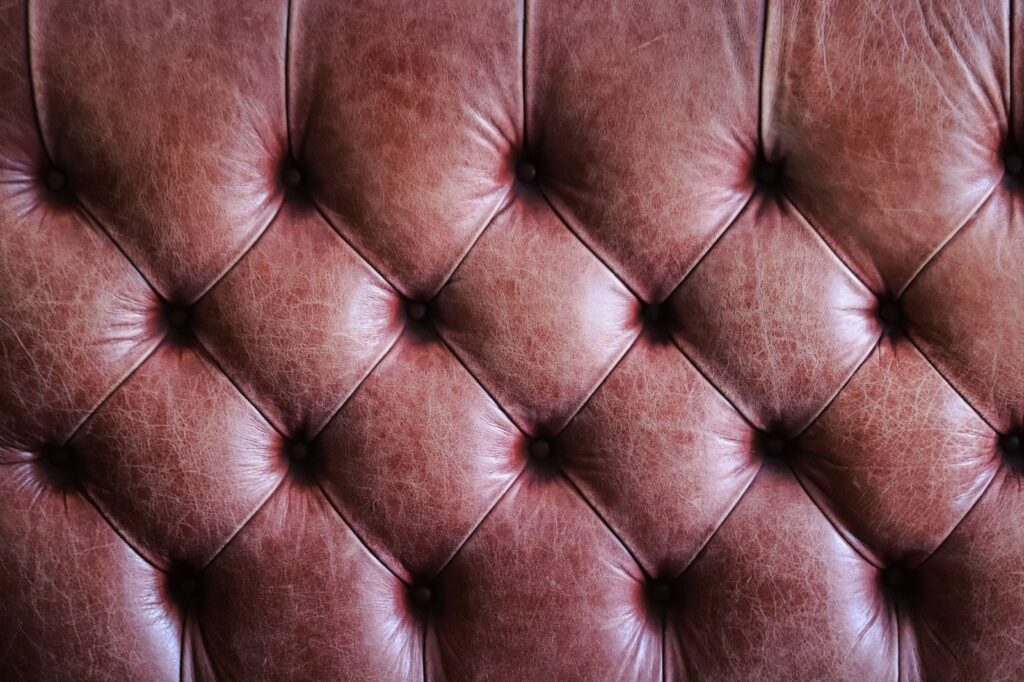
Leather upholstery is treated by most cleaners as a firmer, shinier version of fabric upholstery, cleaned with the same instincts and largely the same process. It is a completely different chemistry, pH sensitive rather than pH tolerant, conditioned rather than extracted, and it cracks by a mechanism fabric never experiences at all, which means a single upholstery protocol applied to both is a protocol only ever built for half the job.
One lounge suite, two materials, one operator
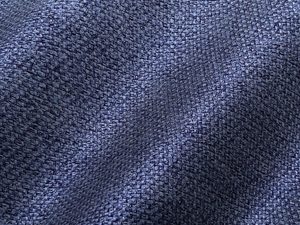
Picture a lounge suite with a fabric armchair on one side of the room and a leather sofa on the other, and picture the same operator arriving to clean both in the same visit. If that operator carries a single upholstery protocol in their head and applies it to whichever surface is in front of them, adjusting only for how dirty each looks, they are working with the wrong model entirely. Fabric and leather are not two textures of the same material category. Fabric is a woven or knitted structure of cellulose or synthetic fibre, cleaned by essentially the same logic that governs carpet, soil suspension followed by extraction of the soil and the cleaning solution together. Leather is not a textile at all. It is processed animal hide, a protein based material with an entirely different chemistry, and it fails, ages and responds to cleaning by mechanisms that have almost nothing in common with fabric’s.
This distinction is not a fine point for specialists to quibble over. It is the difference between a protocol that extends a leather sofa’s life by a decade and one that quietly accelerates its failure while looking, in the moment, exactly like a thorough clean.
Why leather is protein, not polymer or plant fibre
Leather begins as animal hide, primarily the collagen fibre network that gives skin its strength and flexibility, and it becomes leather through a tanning process that stabilises that collagen structure so it resists decay and retains flexibility over time. This matters immediately for cleaning chemistry because collagen, as a protein, behaves very differently under different pH conditions than the cellulose fibre in cotton or linen upholstery, or the synthetic polymer chains in polyester or nylon blended fabric. Fabric fibres are generally reasonably tolerant of a range of cleaning pH, from mildly acidic through to moderately alkaline, which is why fabric upholstery and carpet cleaning protocols typically run in a broader pH window suited to lifting soil efficiently.
Leather’s collagen structure and the tanning agents holding it stable are considerably less tolerant of that range. Leather cleaning generally sits in a mildly acidic to near neutral pH band, broadly in the vicinity of four and a half to six, deliberately close to the natural pH of human skin, because straying meaningfully alkaline risks disrupting the tanning chemistry and the natural oils that keep the collagen fibre network supple. A cleaning product formulated for fabric, running at a moderately alkaline pH to maximise soil lift, applied to leather with the same confidence, is working against the material’s own chemistry rather than with it, and the damage this causes is rarely visible on the day of the clean. It shows up months later as a stiffness, a dullness, or a surface that no longer flexes the way it used to.
Extraction versus conditioning, a different verb entirely
Fabric upholstery cleaning is fundamentally an extraction process. Soil is suspended in a cleaning solution, agitated where appropriate, and then physically removed along with the moisture carrying it, typically through hot water extraction similar in principle to carpet cleaning, drawing both the dirt and the liquid back out of the fibre structure. The fabric fibre itself, once dry, has lost nothing essential in the process beyond the soil that was the target all along.
Leather cleaning is not an extraction process in the same sense, because leather is not a porous fibre network designed to absorb and release large volumes of liquid the way a woven fabric is. Leather is cleaned with a much lower moisture approach, generally a light application of a pH appropriate cleaning solution worked gently across the surface and largely wiped away rather than flooded and drawn back out, because leather that is over wetted risks staining, cockling, or in some finishes, permanent watermarking that cannot be reversed. Where fabric cleaning ends at extraction and drying, leather cleaning has a second stage that fabric never requires at all, conditioning, the deliberate reintroduction of oils and fat liquors into the collagen structure to replace what natural ageing, sun exposure and the cleaning process itself gradually remove. Fabric fibre does not carry an equivalent internal oil content that needs replenishing. Leather does, and skipping this step is the single most common reason a leather clean looks successful on the day and produces a harder, less supple surface within a matter of months.
The cracking mechanism, and why it has nothing to do with fabric wear
Fabric upholstery fails primarily through mechanical abrasion, the fibre structure gradually breaking down under repeated friction, sunlight and cleaning cycles until it thins, pills or tears. This is a fibre level failure, visible as a gradual wearing through of the weave itself. Leather fails by an entirely different mechanism, one that has nothing to do with fibre abrasion at all. Leather cracking occurs primarily at the finish layer, the thin surface coating applied during manufacture that gives most upholstery leather its consistent colour and its resistance to staining, and beneath that finish, in the loss of the natural oils and fat liquors that keep the collagen fibre network flexible enough to bend without breaking.
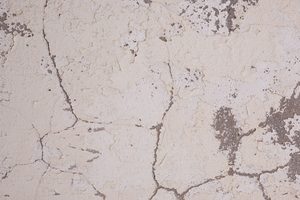
As those oils deplete, whether through age, sun exposure, heat, or repeated cleaning without any conditioning step to replace what was removed, the collagen structure loses its flexibility. The finish layer, no longer sitting on a supple, moving substrate beneath it, comes under increasing stress at every point the leather flexes, which in practice means every crease point, the seat edge where a person sits, the arm where an elbow rests, the back where a spine presses against it. Eventually the finish, stressed repeatedly at these exact points, fractures, producing the fine web of surface cracks that most people recognise as leather ageing badly. This is a drying out failure at the finish and oil level, not a fibre wearing through failure the way fabric fails, and no amount of extraction based fabric cleaning technique addresses it, because extraction was never the missing step. Conditioning was.
Aniline, pigmented and suede, three further protocols within leather itself
Even within leather, treating every hide as identical is its own version of the same mistake. Aniline leather, dyed through with soluble dye and left with little to no protective surface coating, shows the hide’s natural grain and texture beautifully but is the most pH sensitive and the most moisture sensitive of the common upholstery leathers, requiring the gentlest cleaning approach and the most careful conditioning schedule, since it has no polymer finish layer standing between the cleaning chemistry and the hide itself. Pigmented, sometimes called protected or finished, leather carries a polymer surface coating over the dye layer, giving it considerably more resistance to staining, spills and moderate cleaning chemistry, and it is the type most commonly found in family homes precisely because of that resilience, though it still requires periodic conditioning beneath that more forgiving surface. Suede and nubuck are not finished the same way at all, presenting a raised, napped surface with no protective coating whatsoever, and they cannot be wet cleaned using leather’s normal light moisture approach at all, requiring dry cleaning methods, specialised brushes and protector products instead.
A single protocol applied across all three, let alone applied across leather and fabric together, is not simply imprecise. It is very likely wrong for at least two of the three leather types on any given job, and an operator without training in telling them apart has no reliable way of knowing which mistake they are about to make.
The Crusader systems answer
This is precisely the argument for treating upholstery cleaning as an industrialised craft rather than a single generic skill applied uniformly. Cleaning Crusader trains operators against a materials matrix rather than a single upholstery process, requiring identification of the specific material, fabric, aniline leather, pigmented leather or suede, before any product touches the surface, and matching cleaning pH, moisture level and the presence or absence of a conditioning step to that specific identification rather than to a generic upholstery checklist. This is the same discipline that separates a genuine trade from a cleaner with a single all purpose spray and a good manner, an audited, documented protocol matrix that assumes the material in front of the operator determines the method, not the other way around.
Eco chemistry across two different substrates
The Cleaning Crusader chemistry bench, plant derived surfactants biodegradable within twenty eight days under OECD 301, unfragranced formulations, no quaternary ammonium compounds in routine work, applies across both fabric and leather protocols, but its application differs meaningfully between them. Fabric cleaning chemistry within this bench is formulated toward effective soil suspension ahead of extraction. Leather conditioning products within the same low impact philosophy are formulated instead toward genuine fat liquor and natural oil replenishment, chosen for compatibility with the pH range leather requires rather than for the soil lifting power a fabric product prioritises. The eco standard is consistent. What that standard is actually asked to do changes entirely depending on which material it is meeting.
Long lasting client tips
First. Identify whether upholstery is fabric, aniline leather, pigmented leather or suede before any cleaning product is applied, because the correct method for one is frequently the wrong method for another.
Second. Never apply a fabric upholstery cleaner to leather, even where it appears mild, since fabric products are generally formulated at a pH leather’s collagen and tanning chemistry is not built to tolerate.
Third. Schedule a genuine conditioning treatment for leather upholstery on a regular interval, not only when the surface visibly appears dry or cracked, because the oil depletion that eventually causes cracking is invisible for a long period before it becomes visually obvious.
Fourth. Keep leather upholstery away from direct, sustained sun exposure and close proximity to heating vents, both of which accelerate the natural oil loss that leads to finish cracking at crease points.
Fifth. Blot spills on leather promptly with a dry or barely damp cloth rather than flooding the area with water, since leather’s tolerance for moisture is considerably lower than fabric’s and over wetting risks staining or cockling the surface.
Sixth. Have suede or nubuck upholstery assessed by an operator trained specifically in dry cleaning methods for napped leather, rather than allowing any wet cleaning approach near it, because the standard leather moisture tolerance does not extend to these unfinished surfaces at all.
The bold position
We will say this plainly. Leather and fabric are not two finishes on the same upholstery problem. They are two different materials, one a woven textile cleaned by extraction, the other a protein based hide maintained by pH careful cleaning and deliberate conditioning, and they fail by mechanisms that share nothing in common, fibre abrasion on one side, oil depletion and finish cracking on the other. Most operators in this trade carry a single upholstery process and apply it to whatever fabric or leather sits in front of them, and the leather in that scenario is not being cleaned correctly. It is being cleaned like fabric, and it is ageing faster because of it.
Cleaning Crusader builds its upholstery protocol as a materials matrix rather than a single method, because a genuine trade identifies the substrate before it chooses the chemistry, and a leather sofa maintained on its own correct protocol, conditioned rather than merely extracted, will still be supple and crack free years after one maintained on a borrowed fabric process has already begun to fail at every crease. That difference is the whole argument for treating this work as an engineered craft rather than a single skill applied uniformly across every surface that happens to be called upholstery.
Forged in Standard. Built on Excellence.
Cleaning Crusader. Built for impact. Driven by excellence. Guided by purpose.