Eleven Sundays into this series, one argument sits underneath every other article we have written. The clean is not the product. The discipline that produces the same result on every job, on every surface, regardless of who attends, is the actual thing Cleaning Crusader sells.
The eleventh Sunday, and the argument it was always building toward
This is the eleventh and capstone Sunday manifesto in this arc of the series. Ten manifestos came before it, and each one argued for a single dimension of how a serious cleaning company should operate. Engineering. People. Documentation. Education. Discipline itself, examined directly. Scale. Restoration over replacement. Measurement first. Continuity. Each Sunday took one idea and pushed it as far as it would go, and each week of ordinary articles in between put that idea to work against a specific surface, a specific chemistry, a specific customer situation.
This Sunday draws the line under all of it. Not by adding an eleventh separate idea to the list, but by naming what every previous idea was actually describing from a different angle. A moisture meter used before chemistry on a mould call. A fibre identification test run before an upholstery clean begins. A four point probe and absorption test run before a tile floor is quoted for a reseal or a regrout. A walk through conducted before a carpet appointment starts. A daily update given during a flood restoration. None of these are separate good habits collected across five unrelated services. They are the same discipline, worn five different ways, and that discipline, not the clean itself, is what a customer is actually buying when they call this company.
This is a philosophical claim, and we intend to defend it directly. The individual clean, the individual grout job, the individual flood response, is a delivery mechanism. It is not the product. The product is the discipline that makes every delivery mechanism produce the same result regardless of the surface, the operator, or the day of the week.
The same diagnostic instinct, five different instruments
Look across the five services this company performs and a single pattern repeats with almost no variation. Before any chemistry, any extraction, any repair is attempted, an instrument or a test is used to establish what is actually true about the job, rather than proceeding from what the visible surface suggests.
A mould call begins with a moisture meter, because the visible patch is evidence of a moisture event, not the target of the job itself, and because spores are present in essentially all ordinary air and cannot meaningfully be the variable under investigation. A tile and grout assessment begins with a probe test, a crack assessment, and an absorption test, because a joint that looks soiled and a joint that has failed structurally can look identical to an untrained eye and require completely different work. An upholstery appointment begins with fibre identification on a concealed area, because the same visible fabric can respond to cleaning in entirely different ways depending on what it is actually made from. A carpet appointment begins with a walk through documenting existing wear and staining, because a dispute about what changed during the appointment is prevented by establishing, together with the client, what was already there. A flood restoration begins with a moisture map across the full affected area, not only the visibly wet section, because water travels further through building materials than it shows on the surface.
Five services. Five different instruments. One identical instinct underneath all of them. Diagnose before you act, and treat the visible symptom as evidence to be investigated rather than a target to be immediately erased. A company that has only trained its people to erase visible symptoms quickly will look competent on the easy jobs and will fail, repeatedly, on the jobs where the visible symptom was never the actual problem.
The same asset logic, five different surfaces
The discipline shows up a second way, in how this company frames what it is actually protecting. A carpet is framed as the surface that absorbs a household’s daily soil load before that load reaches anywhere else. A sofa or a mattress is framed as a depreciating asset with a useful life measured in years, shortened by embedded soil and untreated staining and extended by scheduled maintenance. A tile and grout system is framed as infrastructure with a genuine failure mode, not a cosmetic surface that only needs to look acceptable. A structure affected by water is framed through the lens of what moisture does to timber, plaster, and finishes over time, not simply how quickly the visible wet patch can be dried. A home affected by mould is framed through what sustained dampness does to the building fabric behind the wall, not only what the customer can currently see.
Every one of these framings does the same underlying work. It treats the customer’s property as an asset with a lifecycle, rather than a surface with a problem. The economics that follow from this framing are consistent across all five services. Neglect accelerates depreciation. Disciplined, scheduled maintenance slows it. A customer who understands this framing stops asking for the cheapest available clean and starts asking what interval of maintenance actually protects the asset they have already paid for. That shift in the customer’s own thinking is, itself, evidence that the discipline has been communicated successfully, not just applied on the day.
The same respect for the person living inside the job
The third thread running through every service this company performs is the treatment of the customer as a person experiencing the job, not simply a location where a task is completed. The carpet appointment walk through exists because an undocumented job creates room for a dispute that damages trust regardless of how well the actual cleaning was performed. The flood restoration communication protocol exists because a resident’s sense of security in their own home is disrupted by an unclear timeline just as much as by the physical damage itself, and a daily explanation of moisture readings restores a measure of control that silence never will. The honest DIY guidance this company gives away for small, contained jobs exists because trust built by being told the truth about a job you did not need to pay for is worth more, over years, than the margin on a single job you should have handled yourself.
None of this is a customer service layer added on top of the technical work. It is the same discipline, applied to the human experience of the job rather than only to the physical surface. A company that diagnoses correctly and protects the asset correctly but leaves the customer anxious, confused, or uninformed throughout the process has only delivered two thirds of what the discipline actually requires.
What the discipline looks like as a repeatable system
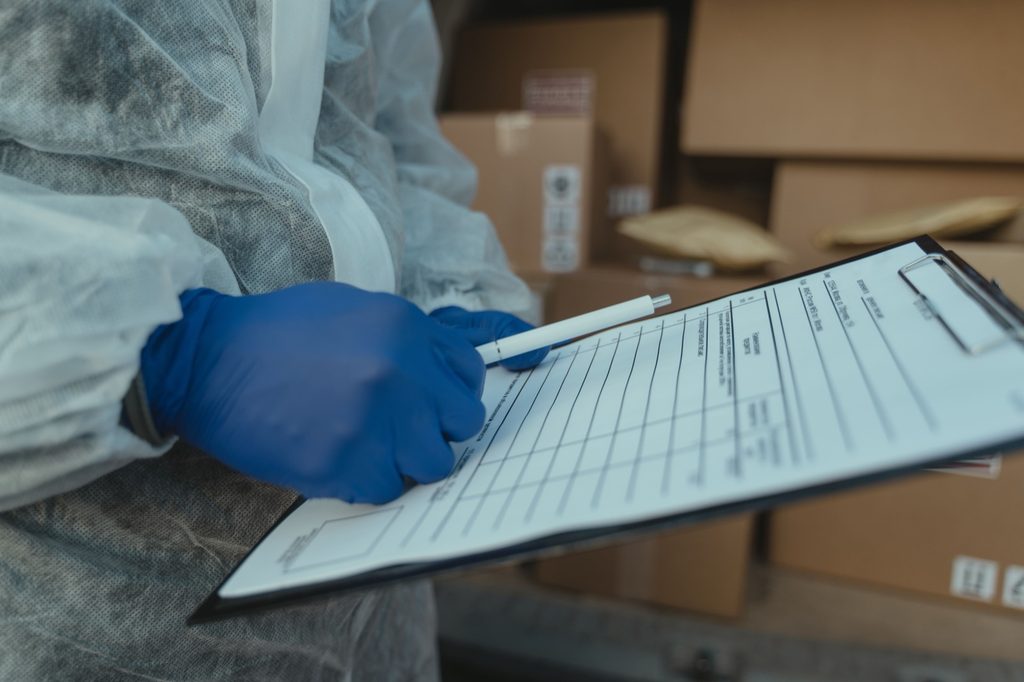
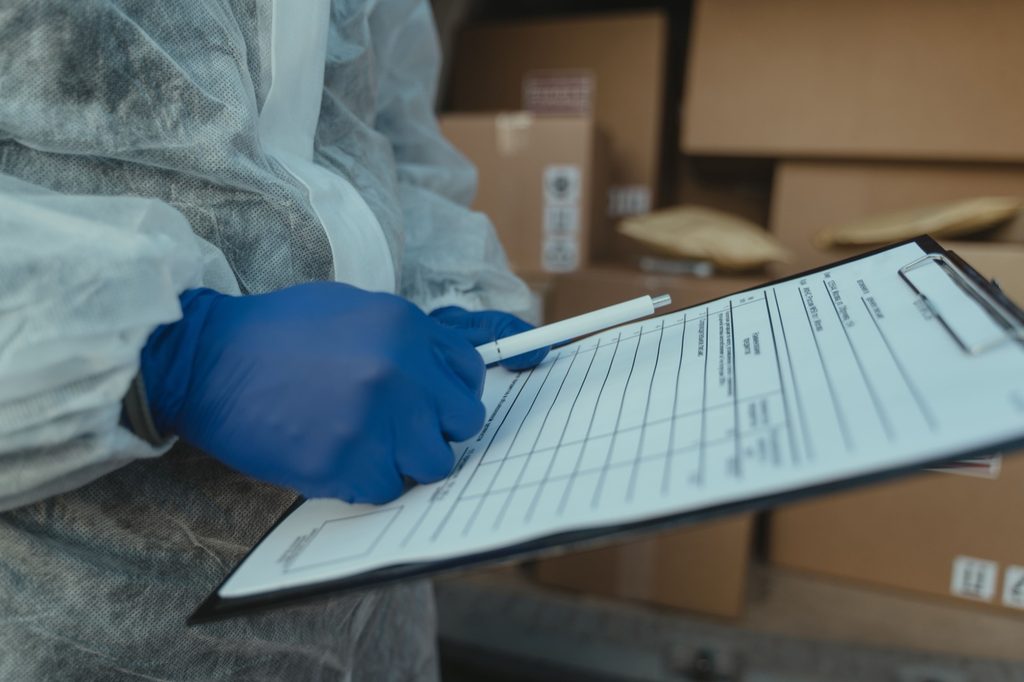
Strip away the specific chemistry and the specific surface from every service this company delivers, and the same four moves remain. Diagnose the actual condition with an instrument or a documented test, rather than an impression. Decide the correct path using a defined decision structure, rather than the preference of whichever operator is on site that day. Execute the work to a documented standard, so the same job produces the same result regardless of who performs it. Verify the finished result against a quality assurance check, so the job is closed because it passed a standard, not because it looked finished.
This four move sequence is what “the discipline” actually means in practical terms. It is not a mood, a slogan, or a company culture statement. It is an operating sequence that can be, and is, applied identically whether the job is a coin sized mould patch on shower tile or a whole home flood restoration running for a week. The sequence does not change size or scale. Only the specific instruments, tests, and standards inside each step change from service to service.
Eco chemistry as the discipline made visible in a single detail
One detail sits underneath all five services and says more about the discipline than almost any other. Every chemistry used across every job, on carpet, on grout, on upholstery, on a flood affected structure, or on a mould affected surface, is drawn from the same bench. Plant derived surfactants, biodegradable within twenty eight days under OECD 301. Unfragranced. No quaternary ammonium compounds used in routine cleaning. Hydrogen peroxide based sanitisers used only where biological contamination genuinely requires one.
This is not five separate environmental decisions made service by service. It is one decision, made once, applied consistently, regardless of which service the customer has booked. A discipline that changes its own standards depending on which job it happens to be doing that day is not actually a discipline. It is a set of habits that only holds under convenient conditions. The single chemistry bench, unchanged across five very different services, is the clearest single piece of evidence that the discipline this company claims to run is genuinely a system, rather than a description used differently for each service line.
Long lasting client tips
First. When you engage any cleaning or restoration provider, ask what test or instrument they use before deciding how to approach the job, rather than accepting a visual impression as the basis for the quote. A provider with a genuine discipline will have a specific, repeatable answer.
Second. Ask what standard the finished job is checked against before it is considered complete, and whether that check is documented. A provider who cannot describe a closing check has not actually closed the loop on their own work.
Third. Ask whether the provider’s approach would change if a different operator attended instead of the one currently quoting you. If the honest answer is yes, the company is relying on individual skill rather than a system, and the result you receive depends on who happens to be rostered.
Fourth. Treat any provider’s willingness to tell you when you do not need their most expensive service as a meaningful signal. A company confident enough in its own discipline to give away a small job honestly is a company worth trusting with a larger one later.
Fifth. Ask how the provider communicates during a longer job, such as a flood restoration, and how often. A defined communication cadence, described specifically, is a sign the human side of the job has been engineered as carefully as the technical side.
Sixth. Judge any provider, including us, on consistency across visits and across years, not on a single good result. A discipline only demonstrates itself through repetition. One excellent clean shows a good day. Ten years of the same standard shows a system.
The bold position
The cleaning and restoration industry sells the clean. It sells the job, the appointment, the invoice for the specific piece of work completed that day, and it measures its own success almost entirely by whether that single job looked acceptable when the operator packed up and left. This framing is the industry’s central failure, and it explains almost everything wrong with the category. A company that sells individual jobs has no reason to build a diagnostic instinct, an asset protection framing, a human communication protocol, or a documented quality standard that holds across every operator and every year. It only needs each individual job to look finished on the day.
We will state our position plainly, because eleven Sundays of doctrine have been building toward exactly this claim. Cleaning Crusader does not sell carpet cleaning, tile and grout restoration, upholstery cleaning, flood restoration, or mould remediation as five separate transactions. We sell one discipline, expressed five different ways depending on which surface or which crisis brought the customer to us that particular week. The discipline is diagnose before acting, protect the asset rather than chase the appearance, respect the person living inside the job, and verify the result against a documented standard rather than a glance. Every article in this series, across eleven weeks of doctrine, has been an argument for one of the four moves inside that discipline.
The individual clean is the delivery mechanism. It is necessary, and we take it seriously on every single appointment. But it is not what a returning customer is actually paying for across years of scheduled maintenance, and it is not what separates a company worth trusting with a flood at two in the morning from a company that simply owns a truck and a vacuum. The discipline is the deliverable. The clean is just how you can see it.
The work is the proof.
Cleaning Crusader. Built for impact. Driven by excellence. Guided by purpose.