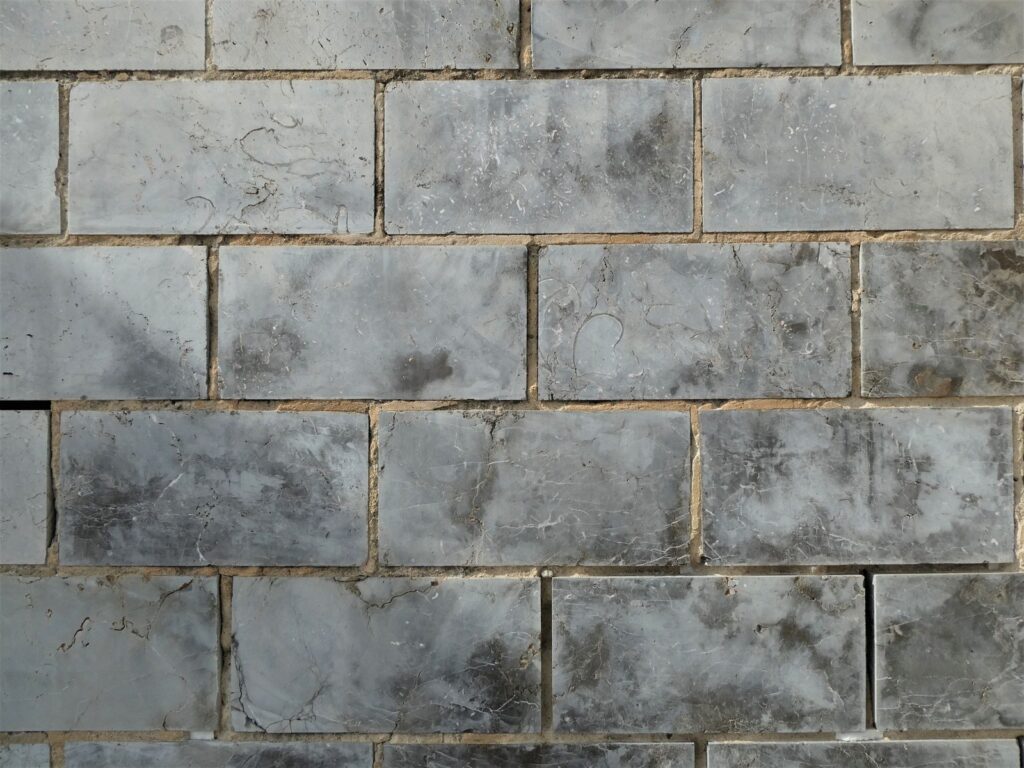
Grout is sold to the customer as the thin decorative line between tiles, a cosmetic detail worth a quick wipe and nothing more. It is actually the seal that keeps water out of the structure underneath, and a failed grout line is a structural liability years before anyone notices it as an eyesore.
The line nobody thinks about until it fails
Ask a homeowner what grout does and the answer is almost always some version of holds the tiles apart and looks neat. It is a fair answer as far as it goes, and it is also the reason so many Perth homes carry hidden water damage that nobody notices until the bill for the repair arrives. Grout is not decorative infill. It is a functional seal, engineered, whether the installer thought of it this way or not, to stop surface water from reaching the substrate underneath the tile. In a shower, a laundry, a kitchen splashback or an outdoor entertaining area, the grout line is doing structural work every single day, and it gets almost none of the attention the tile itself receives.
This matters because the failure sequence for grout is slow and invisible. A crack in a grout line does not announce itself with a leak the way a burst pipe does. It lets a small, steady volume of water through, day after day, behind a wall or under a floor where nobody is looking. By the time a customer notices a musty smell, a soft patch in a nearby wall, or a tile that sounds hollow when tapped, the substrate underneath has often been absorbing water for years. The grout line failed long before the symptom appeared. Treating grout as cosmetic is how a maintenance item that costs a few hundred dollars to address becomes a structural repair that costs many thousands.
What grout actually is, chemically and physically
Most residential grout is a cement based product, either sanded or unsanded depending on the joint width, mixed with water to form a paste that cures into a rigid, porous solid. The word porous is doing the important work in that sentence. Cured cement grout is not a solid, impermeable barrier the way glazed tile is. It is a network of interconnected microscopic pores left behind as the mix water evaporates and the cement hydrates. A standard sanded grout has a void fraction, the proportion of its volume that is open pore space rather than solid material, somewhere in the order of fifteen to twenty five percent. In plain terms, roughly one part in five to one part in seven of every grout line you can see is empty space capable of drawing in water.
This porosity is not a manufacturing defect. It is inherent to how cement based grout cures, and it is precisely why sealing exists as a maintenance category. An unsealed or under sealed grout line behaves, at a microscopic level, like a wick. Water sitting on the tile surface, whether from a shower, a mopping routine or rain on an outdoor area, is drawn into that pore network by capillary action, exactly the mechanism that pulls water up a paper towel dipped in a glass. The water does not stop at the surface of the grout. It travels through the pore network toward whatever is on the other side, which in a wet area is very often a timber or cement substrate, a wall cavity, or a waterproofing membrane that was never designed to be the only line of defence.
Epoxy grout, increasingly common in premium bathroom and kitchen installations, behaves differently. It cures through a chemical reaction between resin and hardener rather than through water evaporation, producing a far denser, largely non porous material with dramatically better water resistance than cement based grout. Epoxy grout is also considerably more expensive to install and more difficult to work with, which is why the overwhelming majority of Australian homes, including many built in the last decade, still carry standard cement based grout as the seal in every wet area.
The three ways a grout line actually fails
Grout fails through three distinct mechanisms, and distinguishing them matters because each points to a different underlying cause and a different fix.
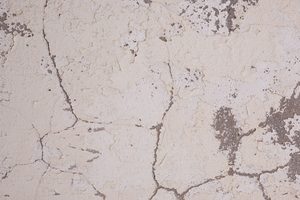
The first is cracking. Grout is rigid and has almost no flexibility once cured. Buildings move constantly at a scale too small to see, through thermal expansion, minor settlement, and vibration from foot traffic or nearby construction. Tile itself tolerates this movement reasonably well because it is bonded across a broad surface. The grout line, narrow and rigid, concentrates that movement stress and cracks first. A hairline crack running along a grout joint, particularly at a corner, a change of plane, or a junction with a bath or shower base, is very often a movement crack rather than a wear crack, and it opens a direct capillary path into the substrate the moment it forms.
The second is erosion. Repeated cleaning with the wrong chemistry, particularly acidic bathroom cleaners and abrasive scrubbing, gradually wears away the surface of cement based grout, widening the pore network and deepening the joint below its original level. This is a slow process, often taking years, and it explains why grout in a well used shower frequently looks recessed and rough compared to grout in a rarely used guest bathroom of the same age. Erosion does not just look worse. It measurably increases the surface area and the pore access available for water penetration.
The third is loss of seal. Even a correctly installed penetrating sealer degrades over years of use and cleaning, and cement based grout that was never sealed at all is vulnerable from the day it cures. Once the sealer’s protective layer is gone, the grout’s inherent porosity is fully exposed to whatever water sits on it, and the capillary wicking begins in earnest.
What happens on the other side of a failed seal
This is where grout stops being a cosmetic concern and becomes an asset protection concern. Water that tracks through a compromised grout line does not evaporate harmlessly. It reaches whatever is behind or beneath the tile, and in the great majority of Australian wet area installations that is a cement sheet or fibre cement substrate, a timber frame, a plasterboard wall, or the waterproofing membrane that governs compliance under the relevant Australian wet area standard.
Where the membrane is intact and correctly detailed, it can tolerate a degree of water reaching it before symptoms appear, which is precisely why the damage stays hidden for so long. Where the membrane is aged, poorly detailed at a penetration, or simply was never installed to the standard the building now relies on, water that reaches it becomes water that reaches the timber frame or the plasterboard directly. From there the consequences are familiar to anyone who has opened a wall during a bathroom renovation. Efflorescence, the white mineral deposit left as water evaporates and leaves dissolved salts behind, appearing on grout or adjacent surfaces. Mould colonising the damp cavity behind the tile, invisible until it becomes extensive enough to be smelled or to bleed through paint. Tile adhesive breaking down under sustained moisture, producing the hollow sound a technician listens for when tapping a suspect tile. In timber framed construction, rot progressing in structural members that were never designed to tolerate ongoing dampness. In some installations, corrosion beginning on any steel fixings, brackets or reinforcement within reach of the moisture.
None of this looks like anything from the customer’s side of the tile for a long time. That is the entire danger of the mechanism. A grout line can be silently failing for three, five or more years before the first visible symptom appears, and by the time it does, the repair is no longer a grout job. It is a demolition and reconstruction job involving the tile, the substrate, and in serious cases the membrane and the frame behind it.
The Crusader tile and grout protocol
Every Cleaning Crusader tile and grout job begins with inspection, not cleaning. The technician sounds a sample of tiles across the area by tap testing, listening for the hollow return that indicates adhesive failure beneath. Grout lines are visually assessed for cracking, recession, and loss of surface sealer, and a moisture reading is taken at any wall or floor junction showing signs of concern. This inspection stage exists because cleaning a grout line that is actively failing, without addressing the crack or the seal loss first, only delays the customer’s awareness of a problem that continues regardless.
Cleaning itself is matched to the grout and tile combination in front of us rather than applied as a single universal chemistry. Natural stone tile and certain sanded grouts are vulnerable to acidic cleaners, which etch stone and accelerate the very erosion described above, so the Crusader approach uses pH appropriate chemistry calibrated to the substrate, never a generic acid based bathroom cleaner run across an entire floor regardless of what it is made of.
Where a grout line shows genuine cracking or loss of material, the affected section is repaired through spot regrouting rather than papered over with a coloured sealer that hides the crack without closing the capillary path beneath it. This is the step most commonly skipped in the broader industry, because it takes longer and costs more than a simple surface clean, and it is the single step that actually restores the seal rather than the appearance of one.
Once the grout is clean and any damaged sections repaired, a penetrating sealer is applied to restore the water resistance the grout needs to keep doing its job. Penetrating sealers work by lining the internal pore network with a hydrophobic compound rather than sitting as a film on the surface, which means they resist the wear and foot traffic that strip a topical coating, and they need reapplication on a cycle rather than as a one time fix.
Eco chemistry for tile and grout
The Cleaning Crusader chemistry bench for tile and grout is built on plant derived surfactants, biodegradable within twenty eight days under OECD 301, unfragranced, with no quaternary ammonium compounds in routine work. Where acidic chemistry is genuinely required, for example on heavy mineral scale in a shower recess, it is used sparingly, tested first on an inconspicuous area, and rinsed thoroughly rather than left to continue reacting with the grout after the visible soil is gone. The sealer applied at the end of the job is a low odour, low volatile organic compound formulation suited to bathrooms and kitchens that are used daily, so the indoor air impact of protecting the grout does not undo the benefit of protecting it.
Long lasting client tips
First. Have your grout lines checked for cracking at least once a year, particularly at corners, at the junction where the shower base meets the wall, and anywhere a bath or basin meets tiled wall. These junctions carry the most movement stress in the building and crack first.
Second. Avoid acidic bathroom cleaners as a routine product on grout, even where they lift soap scum quickly. Repeated acid exposure erodes cement based grout and widens the very pore network that lets water through.
Third. Reseal grout on a cycle rather than waiting for a visible problem. A penetrating sealer typically needs reapplication every twelve to twenty four months in a heavily used wet area, and resealing before the old seal is fully gone is far cheaper than repairing what happens after it goes.
Fourth. Treat a hollow sounding tile as a warning, not a cosmetic quirk. Tap a few tiles near any suspect grout line yourself. A dull, hollow return under a light tap suggests the adhesive beneath has already begun to fail.
Fifth. Ventilate wet areas properly after use. Exhaust fans and opened windows reduce the standing moisture load on grout lines and slow every one of the failure mechanisms described above, cracking, erosion and seal loss, simply by reducing how much water sits on the surface in the first place.
Sixth. Do not assume a fresh coat of coloured grout sealer fixes a cracked joint. A sealer restores water resistance to intact, porous grout. It does not close a structural crack. If the joint is visibly cracked, it needs regrouting before it needs sealing.
The bold position
We will say this plainly. The tile and grout category has been sold to Australian homeowners as a cosmetic service, a quick steam and colour refresh that makes a bathroom look newer for the photos, without any inspection of whether the seal underneath is actually intact. Operators who never learned to sound a tile, never learned what a hairline crack at a shower corner actually signals, and never carry the chemistry or the patience to spot regrout a failing joint are running a business that treats a structural seal as a beauty treatment.
The customer pays twice for this failure mode. Once for a clean that made the bathroom look better without making it more watertight, and again, years later, for the substrate repair that a five minute inspection at the first visit could have flagged. The grout line does not fail loudly. It fails quietly, behind the tile, for as long as nobody looks.
Cleaning Crusader inspects before we clean, we sound the tiles, we assess the seal, and we tell the customer honestly when a joint needs regrouting rather than simply resealing over a crack that will keep drawing water regardless. The line between tiles carries the floor’s defence against water. We treat it like the structural component it is, because that is what it has always been, whether the trade chose to say so or not.
Forged in Standard. Built on Excellence.
Cleaning Crusader. Built for impact. Driven by excellence. Guided by purpose.