Cleaning a carpet properly turns on four levers, and the amateur pulls all four wrong. The one they skip most is the one that does the actual work.
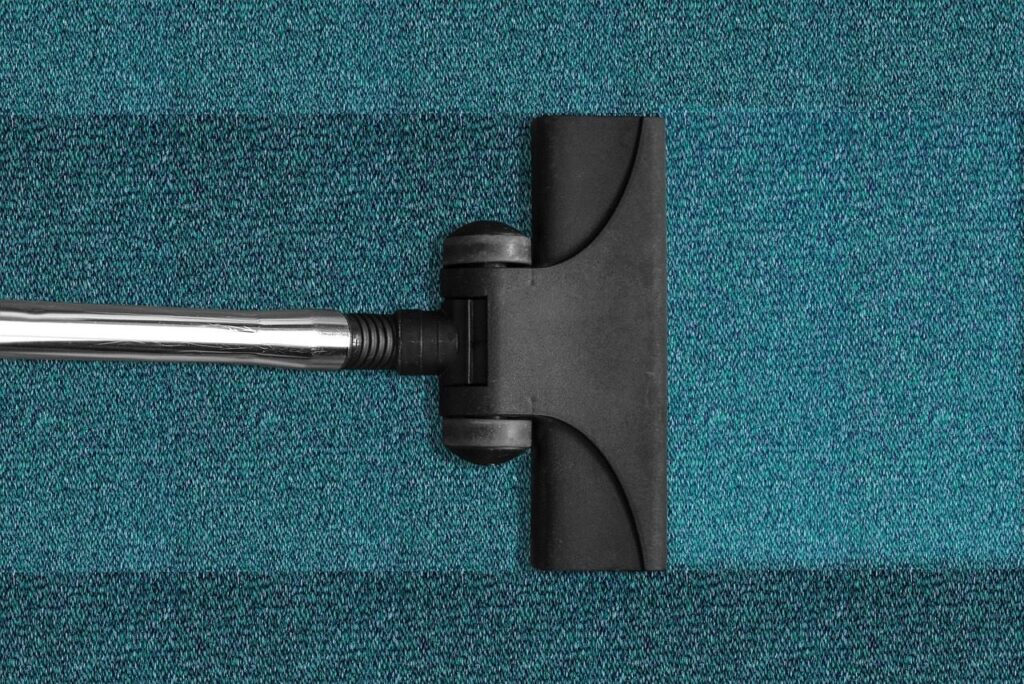
Watch an inexperienced operator clean a carpet and the tell is the speed. They connect a wand to a machine, they drag it back and forth across the room, and they are done in twenty minutes. The carpet looks wet. The carpet smells like the fragrance in the tank. The customer sees a machine, sees water, sees effort, and reads all three as cleaning. None of the three is cleaning. What actually happened is that soil and moisture were moved around the pile and most of both were left behind.
Hot water extraction, the method the trade also calls steam cleaning, is not one action. It is four actions that have to happen in sequence, and each one is a lever. Temperature. Chemistry with dwell time. Agitation. Extraction. Pull all four correctly and the carpet is genuinely clean and damp to the touch when you leave. Pull them wrong, or skip one, and you have run a machine over a floor without cleaning it. The difference between a pass and a clean lives entirely in these four levers, and the industry treats them as optional because doing them properly costs time.
This article is the four levers, told the way a Crusader operator understands them. What each lever does at the level of the fibre and the soil. Why the dwell is the one that separates a trade from a hobby. And why a wand dragged across a carpet with no pre spray, no dwell, no agitation, and weak extraction is not cleaning at all. It is redistribution with a warranty of disappointment.
Lever one. Temperature, and the rule of the ten degrees
Heat is the first lever, and it is the one most portable machines cannot deliver. The reason heat matters is chemistry. Most of the soil bound into a carpet is held there by oils, by proteins, and by the simple stickiness of dried residue. Breaking those bonds is a chemical reaction, and the speed of a chemical reaction climbs with temperature.
There is a rule of thumb that chemists carry, and it applies directly to carpet. For every rise of about ten degrees Celsius, the rate of a typical reaction roughly doubles. This is the Arrhenius idea stated plainly. It means a pre spray working at sixty degrees is doing its job several times faster than the same pre spray working at twenty degrees. Warm the solution and the soil bond that would take minutes to break at room temperature breaks in a fraction of that time. Cool the solution and the same chemistry becomes sluggish and half effective.
This is why a truck mount matters. A truck mounted extraction unit heats water to a controlled temperature at the wand and holds it there across the whole job. A portable relies on whatever the tank was filled with, and that water cools steadily as the job runs. Fill a portable with hot tap water and you start warm and finish cold, and the second half of the room is cleaned worse than the first. Heat is not a luxury lever. It is the multiplier that makes the other three work.
There is a limit. Some fibres have temperature ceilings. Wool and certain solution dyed synthetics are treated with more restraint than a robust nylon. A serious operator knows the fibre before choosing the heat, because heat is a tool, not a blunt instrument.
Lever two. Chemistry and dwell time, the lever they skip
Here is the lever the industry skips, and it is the one that does the most work. A pre spray is a cleaning solution applied to the carpet before extraction. Its entire purpose is to reach the soil, wet it, and break the bond that holds it to the fibre. That process is not instant. It takes time. The trade word for that time is dwell.
Dwell is minutes, not seconds. A pre spray applied and immediately extracted has not had time to do anything. The chemistry needs to sit on the fibre, penetrate the soil, and lift the bond before the wand arrives to flush it away. Skip the dwell and you are extracting a solution that has done none of its job. You have wet the carpet with cleaner and then sucked the cleaner back out, taking a little loose soil with it and leaving the bound soil exactly where it was.
The Carpet and Rug Institute, the body that has published extraction cleaning guidance for decades, is explicit that pre conditioning and adequate dwell time are part of a proper hot water extraction process, not an optional extra. Chemistry needs contact time. This is not a Cleaning Crusader opinion. It is how surfactant chemistry works. A surfactant molecule has to migrate to the soil, surround it, and suspend it in solution before it can be removed. That migration takes time, and warming the solution shortens the time but does not remove the requirement.
The amateur skips the dwell because the dwell looks like doing nothing. The operator sprays, and then the operator waits, and to a watching customer the waiting reads as inefficiency. So the corner gets cut. Spray and extract in one motion, no wait, next section. The carpet gets wet and the soil stays. This single shortcut is the most common failure in the trade, and it is invisible to the customer until the carpet resoils within weeks because the soil was never removed in the first place.
Lever three. Agitation, grooming the chemistry to the base
Chemistry that sits on top of the pile cleans the top of the pile. The soil that matters is at the base, down where the fibre meets the backing, because that is where grit and oil settle and grind. Getting the pre spray down to the base is the third lever, and it is called agitation.
Agitation is the mechanical working of the solution through the pile. A groomer, which is a brush or a rake designed for carpet, is drawn through the fibres to carry the pre spray from the tips down to the base and to open the pile so the solution reaches every part of the yarn. It also lifts matted fibre so the whole surface is exposed rather than just the crowns. Done properly, agitation turns a surface spray into a full depth treatment.
There is a second benefit to agitation that operators feel rather than measure. Mechanical action assists the chemistry. The physical disruption of the soil bond, combined with the chemical loosening from the pre spray, removes more soil than either alone. This is the principle of scrubbing a dish rather than soaking it. The soak loosens, the scrub lifts, and together they do what neither does by itself. Agitation is the scrub. Skip it and the pre spray never reaches the soil that matters, and the base of the pile stays loaded while the tips come clean.
Fibre governs the tool here as well. An aggressive brush that suits a cut pile synthetic can distort a delicate loop or a wool Berber. The groomer is matched to the construction. The craft is not just agitating. It is agitating correctly for the carpet in front of you.
Lever four. Extraction, suction lift and the dry stroke
The final lever is extraction, the removal of the suspended soil and the spent solution from the carpet. This is where the loosened soil actually leaves the building, and it is governed by two properties of the machine. Suction lift and air flow.
Suction lift is the vacuum strength, the machine’s ability to pull water up out of the pile against gravity. In the trade it is measured in inches of water column, which is the industry standard unit even in a metric country. Air flow is the volume of air the machine moves, which carries the loosened soil and moisture out through the wand. A machine strong on both pulls the dirty solution up and out. A machine weak on either leaves the solution sitting in the pile, and now the carpet is not just uncleaned, it is soaked with dirty water that has to dry in place.
Technique multiplies the machine. The operator makes a wet stroke, pushing solution and vacuuming together, and then makes one or more dry strokes over the same path with the solution off and the vacuum on. The dry stroke pulls the remaining moisture out of the pile. This is the step that decides whether a carpet is left damp or left wet. Damp is correct. The carpet should feel cool and slightly moist to the palm and should dry within hours. Wet is a failure. A wet carpet dries slowly, and slow drying invites the wicking of soil back to the surface and, in the worst cases, microbial growth in the backing.
This is where portable capability and truck mount capability separate again. A truck mount carries powerful vacuum and holds it across a long hose run. A portable trades power for portability, and the operator has to work harder and slower to leave the carpet as dry. Neither machine is wrong for every job. A high rise unit with no vehicle access is a portable job by necessity. The point is that the operator knows the limits of the machine in their hand and adjusts the strokes to leave the carpet damp regardless.
The Crusader hot water extraction protocol
A carpet cleaned properly by a Crusader operator moves through the four levers in order, every time.
First. Inspect and identify. The fibre, the construction, and the soil load are identified before anything is sprayed. Fibre sets the temperature ceiling, the chemistry, and the groomer. A vacuum with dry soil removal comes first, because extracting over dry grit is washing sandpaper into the backing.
Second. Pre spray and dwell. The correct pre spray for the fibre and soil is applied evenly across the carpet and left to dwell for the minutes the chemistry needs. The dwell is timed, not guessed. The operator does not extract a section until the pre spray has done its work.
Third. Agitate. The pre spray is groomed through the pile with the tool matched to the construction, carrying the chemistry to the base and opening the fibre. High traffic lanes and visible marks receive additional attention here, not at the end.
Fourth. Extract in wet and dry strokes. The wand flushes the suspended soil and solution out of the pile at controlled temperature, followed by dry strokes that pull the moisture down to damp. The operator works in overlapping passes so no lane is missed.
Fifth. Groom and quality check. The pile is groomed to stand upright and dry evenly. The finished carpet is checked under directional light for missed spots, for over wetting, and for any lane that resoils faster than the rest. Airflow is set up to speed drying, and the job is photographed for the file.
What is not in this protocol is a single fast pass. There is no version of proper hot water extraction that skips the dwell, skips the agitation, or leaves the carpet wet. The protocol is slower than the amateur method by design, because the slowness is where the cleaning happens.
Eco chemistry for extraction cleaning
Our extraction chemistry bench is a plant derived surfactant pre spray, biodegradable within twenty eight days under OECD 301, unfragranced, and free of quaternary ammonium compounds in routine work. The chemistry is built to do its job during the dwell and then rinse cleanly out of the pile during extraction, leaving as little residue behind as possible.
Residue is the reason chemistry choice and extraction quality are linked. A cheap high foaming detergent that is not fully rinsed leaves a sticky film on the fibre, and that film attracts soil faster than a clean fibre would. The carpet resoils within weeks and the customer blames the carpet. Our surfactants are selected to suspend soil during the dwell and to release cleanly during the dry strokes so the fibre is left as close to residue free as the method allows. The absence of fragrance is deliberate. Fragrance is not cleaning. A carpet that smells of nothing after it dries has been cleaned. A carpet that smells strongly of a scent has been perfumed, and often the perfume is covering the fact that the soil is still there.
Where a stubborn residue resists, we favour the mildest effective chemistry and let heat and dwell do the work a harsher product would be asked to do. The Arrhenius lever means a warmer, gentler system frequently outperforms a colder, harsher one. Cleaner chemistry and better technique are not a compromise. Together they leave a fibre that is genuinely clean and stays clean longer.
Long lasting client tips
Six rules that tell you whether the carpet in your home was cleaned or merely passed over.
First. Ask whether they pre spray and how long they let it dwell. A proper answer describes applying a pre conditioner and leaving it to work for several minutes before extraction. An operator who sprays and immediately sucks is skipping the lever that does the cleaning.
Second. Feel the carpet when they finish. It should be damp, cool, and slightly moist to the palm, and it should dry within a few hours with airflow. If it is wet enough to squelch or leave your sock damp, the extraction was weak and the carpet will dry slowly.
Third. Do not judge the clean by the smell. A strong fragrance is not a clean carpet. The measure of a good clean is a carpet that smells of almost nothing once it has dried, because the soil and the residue are gone.
Fourth. Watch for grooming. A good operator agitates the pre spray through the pile with a brush or a rake and grooms the pile upright at the end. A wand dragged over the surface with no grooming has not reached the base of the pile where the soil lives.
Fifth. Vacuum your carpet properly between professional cleans. Dry soil removal is the single biggest thing you can do yourself, because grit at the base of the pile is what grinds the fibre and shortens its life. Slow, overlapping passes lift far more than a fast sweep.
Sixth. Ask about the machine and the water temperature. A truck mount holding heat at the wand cleans harder than a cold portable. If the job is a portable job by necessity, ask how they keep the water hot and the carpet dry, because the good ones have an answer.
The bold position
We will say this plainly. A wand dragged over a carpet with no pre spray, no dwell, no agitation, and weak extraction is not cleaning a carpet. It is redistributing soil and water across the pile and calling the wet result a service. The carpet looks different for a day because it is damp and because the fragrance is fresh. Then it dries, the soil that was never removed settles back, and within weeks the carpet looks as it did before, sometimes worse, because a residue was left behind that pulls new soil in faster.
The four levers are the craft. Heat to accelerate the chemistry. Chemistry with a real dwell to break the soil bond. Agitation to carry the chemistry to the base of the pile. Extraction in wet and dry strokes to pull the loosened soil and the moisture out and leave the carpet damp rather than wet. Pull all four and the carpet is genuinely clean and dries fast. Skip any one and the result degrades. Skip the dwell, which is the industry’s most common shortcut, and the whole exercise collapses into an expensive way of wetting a floor.
Cleaning Crusader will not run a single fast pass and call it a clean. We identify the fibre, we pre spray and we time the dwell, we agitate to the base, and we extract in strokes that leave the carpet damp and drying. It is slower than the twenty minute version, and it is slower on purpose, because the slowness is the cleaning. The carpet we leave behind is clean at the base, not just at the tips, and it stays clean longer because nothing was left in the pile to pull the soil back. That is the difference between a pass and a clean, and the difference is the four levers done properly.
The work is the proof.
Cleaning Crusader. Built for impact. Driven by excellence. Guided by purpose.