A failed final clean almost never costs only the bond. It costs the relisting days, the tribunal hours, the owner’s confidence, and the agency’s reputation. The cheapest end of lease clean is the most expensive line in the ledger.
The Friday afternoon that costs a fortnight
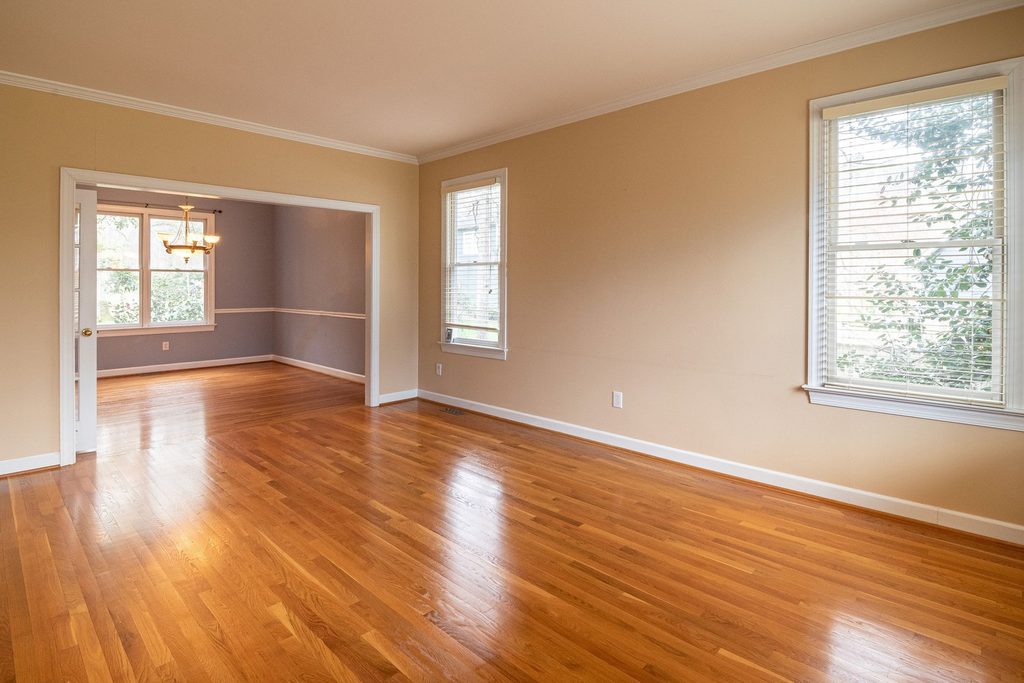
A tenant vacates on a Friday. The keys come back to the agency. The property manager does the exit inspection on Monday, expecting the standard handover, and finds carpet that still shows traffic lanes, an oven with baked carbon in the corners, grout lines that are grey rather than white, and a faint pet smell in the second bedroom that the air freshener has not hidden. The bond is held. The tenant disputes. The owner asks when the property will relist. The honest answer is not this week.
This is one of the most common and most poorly understood failures in residential property management, and almost nobody costs it correctly. The conversation is always about the bond, as if the bond were the whole stake. It is not. The bond is the smallest number on the page. The real cost of a failed final clean is measured in vacancy days, in tribunal time, in the owner’s trust in the agency, and in the slow erosion of the surfaces themselves when a property is handed over dirty and let dirty again.
This piece is the economics of end of lease cleaning for property managers and real estate principals. What actually loses a bond. What a failed final clean truly costs once you count past the bond. And the asset and reputation mathematics that should govern the decision but rarely does, because the trade has trained everyone to shop the final clean on price alone.
What actually loses a bond
A bond is held against the tenant’s obligation to return the property in the condition recorded at the start of the tenancy, fair wear and tear excepted. The disputes that reach a tribunal almost never turn on big dramatic damage. They turn on cleaning, and on a small and predictable set of surfaces that the standard exit clean gets wrong. Knowing which surfaces lose bonds is knowing where to put the attention.
The oven is the most disputed single item in Australian residential tenancy. Baked on carbon inside an oven is not a wipe job. It is a chemical and mechanical task on a surface that has been heat cured over a year, and a tenant doing a do it yourself clean the night before handover almost never reaches the standard. The racks, the door glass interlayer, and the corners where carbon accumulates are where the dispute lives.
Carpet is the second. An exit clean that vacuums and runs a light pass leaves the traffic lanes, the spills that have wicked, and the soil ground into the base of the pile. The entry condition report often recorded clean carpet, so the comparison is unforgiving. A carpet that needed a genuine hot water extraction and got a cosmetic pass loses bond money and, worse, hands the owner a carpet that has aged a year more than it should have.
Then the predictable rest. Grout and silicone in the wet areas, where mould and soap scum read as neglect even when the tiles are wiped. Walls with marks and scuffs that needed proper spot cleaning, not a smear. Window tracks, the runners and the sills, which collect a season of grit and are almost always missed. Range hood filters thick with grease. Skirting boards, the tops of doors, light fittings, and the inside of cupboards and the dishwasher, all of which the exit report measures and the rushed clean skips. Outside, the spaces a tenant forgets entirely, the garage floor, the carport, and the patio. None of these is hard for a trained operator. All of them are routinely missed by the cheapest clean.
The pattern is clear. Bonds are not lost on the visible middle of a room. They are lost in the corners, the cured on soil, and the surfaces that require a method rather than a wipe. The exit report is a forensic document, and a cosmetic clean does not survive a forensic comparison.
The real cost of a failed final clean
Here is where the trade gets the mathematics wrong. Decision makers treat the final clean as a cost to minimise. The right framing is that the final clean is the cheapest insurance available against a chain of much larger costs, and a failure triggers every link in that chain.
Start with the vacancy. A property cannot be relet until it presents, and a property that fails its exit clean cannot be photographed, listed, or opened for inspection until it is recleaned. That is days lost, sometimes a week or more once you account for rebooking a cleaner, drying time after a recarpet clean, and the relisting cycle. On a property renting for, say, six hundred dollars a week, a vacancy of even a week is six hundred dollars of rent that will never be recovered, against a clean that might have cost three or four hundred dollars done properly the first time. The vacancy alone often exceeds the entire price difference between a cheap clean and a good one.
Then the labour. A property manager’s time is the agency’s most constrained resource. A disputed bond means a second inspection, correspondence with the tenant, photographs, a written claim, and often a tribunal application with the hours of preparation and attendance that involves. Add the cleaner being rebooked, the access being recoordinated, and the owner being managed through the delay. None of this is billable. All of it displaces work the manager should be doing on other properties.
Then the dispute risk itself. Tenancy tribunals expect documented evidence. A bond claim for cleaning that rests on a cheap operator’s word and a few phone photos is a weak claim. The agency that cannot produce a professional clean with a documented standard, before and after photographs, and an itemised scope is the agency that loses the claim and refunds the bond it was trying to retain. The cheap clean does not just fail to clean. It fails to defend.
Then the asset. This is the cost nobody puts on the page, and it is the largest over time. A property handed over dirty and relet dirty is a property whose carpet, grout, oven, and surfaces are degrading a cycle faster than they should. Carpet that is never properly extracted between tenancies wears out in years rather than the decade it could last. Grout that is never restored reaches the point of regrouting sooner. The owner replaces flooring and refits wet areas earlier, and those are four and five figure capital costs that a disciplined cleaning regime between tenancies defers for years. The final clean is not housekeeping. It is the maintenance event that protects the owner’s capital, and skipping it is a slow draw on the asset.
Then the reputation, which compounds quietest of all. An owner who watches an agency lose a bond dispute, leave a property vacant longer than it should have been, and hand back a tired asset is an owner who starts taking calls from other agencies. Landlords move their portfolios over exactly this kind of accumulated small failure. The final clean the agency tried to save forty dollars on becomes the reason a multi property landlord changes managers, and the lifetime management fees on a portfolio dwarf every clean in the chain.
The asset and reputation mathematics
Put the numbers side by side and the decision is not close. The difference between a cheap exit clean and a properly scoped professional one is typically a hundred dollars or less on a standard property. The downside of a failure is a week of vacancy, hours of unbillable management time, the risk of refunding the entire bond at tribunal, accelerated wear on the owner’s capital assets, and the slow loss of the owner’s confidence. The expected cost of the cheap clean, once you weight it by how often it fails and what each failure triggers, is far higher than the visible price of the good one.
This is the asset protection doctrine applied to the rental cycle. The clean between tenancies is the single recurring opportunity to maintain a property’s surfaces under controlled conditions, with the property empty, before new wear begins. An empty property is the only time a carpet can be fully extracted and dried without disrupting a tenant, the only time an oven can be stripped properly, the only time grout can be restored across a whole bathroom in one visit. Treating that window as a cost to minimise wastes the one maintenance event the calendar reliably provides.
The mathematics favours the agency that scopes the clean to the exit standard, documents it, and uses it as both a bond defence and an asset maintenance event. It penalises the agency that shops the clean on price, fails the inspection, and absorbs the chain of costs that follow. The price difference is small and certain. The failure cost is large and probabilistic, and over a portfolio across a year the probabilities resolve into real money and real lost clients.
The Crusader end of lease protocol
A Crusader end of lease clean is scoped to the exit inspection, not to a generic checklist, and it runs as a documented event so it can both pass the inspection and defend the bond if challenged.
Stage one. Scope to the report. We work from the entry condition report and the agency’s exit standard, not a one size template. The clean is measured against the document the property will actually be judged by, room by room and surface by surface.
Stage two. The high failure surfaces first. The oven is stripped, racks and door glass and corners, with the correct degreasing chemistry and dwell time rather than a wipe. The wet areas get grout and silicone attention, soap scum and mould addressed at the substrate, not smeared over. Window tracks, range hood filters, skirtings, door tops, and cupboard interiors are done as standard, not as extras, because they are where bonds are lost.
Stage three. Carpet by method. Carpet is cleaned by genuine hot water extraction where the fibre allows, lifting the traffic lanes and the wicked spills, not a cosmetic pass. It is dried with air movers so the property can be photographed and relet without a damp delay.
Stage four. Specialist triggers. Pet odour is treated at the source with our biological method rather than masked with deodoriser, because a tribunal and a new tenant both detect a masked smell. Tile and grout restoration, upholstery, and timber floor care are brought in where the property needs them, since the empty property is the right moment for all of it.
Stage five. Documentation. The whole clean is photographed before and after, the scope is itemised, and the record is handed to the property manager. This is what turns a clean into a bond defence. A documented professional clean is evidence a tribunal respects, and it is the difference between retaining a disputed bond and refunding it.
Eco chemistry for end of lease
The eco chemistry bench matters more at end of lease than almost anywhere, because the next people to occupy the property arrive within days and breathe whatever the clean left behind. Our bench is plant derived surfactants, biodegradable within twenty eight days under OECD 301, fragrance free, with no quaternary ammonium compounds in routine cleaning, and hydrogen peroxide based sanitisers where genuine sanitising is required, in a kitchen or a bathroom or after a biological contamination.
Fragrance free is a deliberate choice for vacated properties, because the masking smell of a fragranced clean is read by both inspectors and incoming tenants as a cover for something. A property that smells of nothing has been cleaned. A property that smells of synthetic citrus has been sprayed. The exit standard is met by removing the soil and the odour at the source, not by layering a scent over them.
The oven, the surface most associated with caustic chemistry, is where we are most deliberate. Heavy degreasing is done with the least aggressive chemistry that will do the work, fully rinsed, so the next person to use the oven is not cooking onto a caustic residue. The eco position and the safety position are again the same position. A property handed over with no residue is a property that is both genuinely clean and genuinely safe for whoever moves in next.
Long lasting tips for property managers
Six rules that turn the end of lease clean from a recurring risk into a recurring asset event.
First. Specify a professional clean to the exit standard in the lease and the outgoing pack, with the scope itemised. A vague requirement to leave the property clean invites the cheapest possible interpretation and a failed inspection. A specified scope sets the standard before the tenant leaves.
Second. Require documentation, before and after photographs and an itemised scope, from whoever does the clean. The documentation is what defends the bond at tribunal. A clean you cannot evidence is a clean you cannot rely on in a dispute.
Third. Use the vacancy as a scheduled maintenance window, not just a clean. The property is empty, which is the only time carpet can be fully extracted and dried, grout restored across a whole room, and the oven stripped properly. Schedule the asset maintenance while the access is free.
Fourth. Treat pet odour and biological stains as a specialist task, not a line on a general checklist. Masking a pet smell with deodoriser fails the next inspection and the next tenant. Source removal is the only standard that holds.
Fifth. Track which cleaners pass the exit inspection first time and which generate disputes, and concentrate your work with the ones that pass. The cheapest quote that fails costs the agency far more than the dearer quote that passes. The data on first time pass rate is the number that matters, not the quote.
Sixth. Brief the owner on the maintenance done during the vacancy, with the photographs. An owner who sees their asset being protected between tenancies is an owner who stays with the agency. The clean is also a retention tool, if you let the owner see it.
The bold position
The cheapest end of lease clean is the most expensive line item in property management, and the industry has hidden this by letting everyone argue about the bond as if the bond were the whole stake. It is not. The bond is the smallest number in the chain. The failed clean costs the vacancy, the management hours, the tribunal risk, the accelerated wear on the owner’s capital, and eventually the owner themselves. The trade competes on the quote because the quote is the only number anyone looks at, and that is precisely the failure mode that costs agencies portfolios.
The alternative is to treat the clean between tenancies as what it actually is, which is the one recurring, controlled maintenance event in the life of a rental property, and the primary documented defence of the bond. Scoped to the exit standard. Executed by method, not by wipe. Photographed and itemised so it holds at tribunal. Used to protect the owner’s capital and the agency’s relationship at the same time.
Cleaning Crusader scopes the exit clean to the report the property will be judged against, documents it as evidence, and uses the empty property to protect the owner’s asset for the years ahead. We will tell a property manager when a carpet needs a full extraction and when it does not. We will not hand back a property that smells masked rather than clean. And we will give the agency a documented clean it can stand on in a dispute. The bond that was never coming back was lost in the corners a cheap clean skipped. We do not skip the corners, because the corners are where the money is.
Discipline creates freedom.
Cleaning Crusader. Built for impact. Driven by excellence. Guided by purpose.