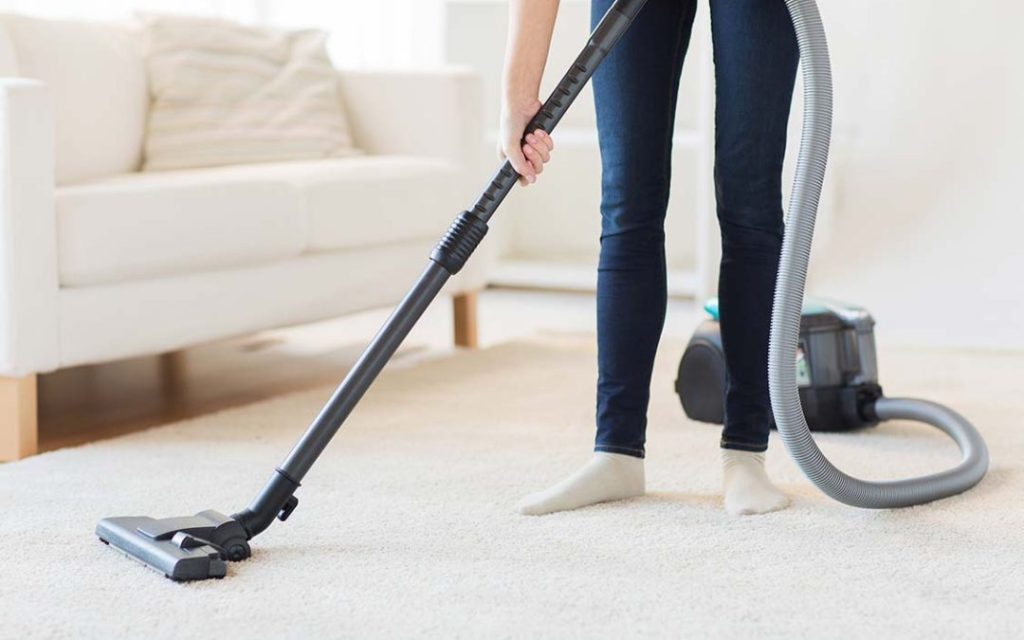
To clean your carpet at home, vacuum thoroughly, treat any stains by blotting (never rubbing) with the right solution for the mess, then let the carpet dry fully with good airflow. Done regularly, this keeps your carpet fresh and stretches the time between professional cleans. Here is a simple, practical routine, followed by how to handle the most common stains.
Australian homes and their carpet: What you need to know
Australian homes put their own demands on a carpet. Our warm, humid summers, especially through the coastal and northern states, create the perfect conditions for mould and dust mites to take hold deep in the pile, while long dry spells pull fine red dust and sand indoors that grinds into the fibres underfoot. Sandy soils track in from the backyard and the beach, pets bring in grass seeds and the odd muddy paw after a storm, and high-traffic living areas in our indoor-outdoor lifestyle wear faster than most people expect. Add a spilled glass of red over summer entertaining and you have a carpet working hard all year round. Knowing what your carpet is up against makes it easier to stay on top of it with the right routine.
What you will need for cleaning carpet yourself?
- A vacuum cleaner.
- Clean, white cloth or paper towel (white avoids dye transfer).
- Mild dishwashing liquid.
- White vinegar and bicarbonate of soda for odours and tougher marks.
- Two bowls, one for your cleaning solution and one for clean water.
The basic routine, step by step
- Vacuum the whole area slowly, going over high-traffic spots two or three times to lift embedded grit.
- Test any cleaning solution on a hidden patch first, such as inside a wardrobe, to check the carpet is colourfast.
- Treat stains while they are fresh. Blot up any liquid with a dry cloth before applying anything.
- Apply a small amount of solution to the cloth, not the carpet, and dab the stain from the outside in so it does not spread.
- Rinse by blotting with a cloth dampened in clean water, to lift any leftover residue that would attract dirt.
- Press a dry towel down to soak up moisture, then let the carpet air-dry with windows open or a fan running.
How to treat different stains and dirt
Different messes need different handling. Always blot rather than rub, and work from the edge of the stain inward.
|
Type |
How to treat it at home |
|---|---|
|
Dry dirt and mud |
Let it dry completely, then vacuum. Scrape off any crust first. Treating wet mud only grinds it deeper into the pile. |
|
Coffee, tea and wine |
Blot up the liquid straight away, then dab with a little dishwashing liquid in warm water. Rinse with clean water and blot dry. |
|
Grease and oil |
Sprinkle bicarbonate of soda to absorb the oil, leave for fifteen minutes, then vacuum. Follow with a mild dishwashing-liquid solution if any mark remains. |
|
Pet urine |
Blot up as much as possible, rinse with cool water and blot again. A white-vinegar-and-water solution can help. Older urine and lingering odour usually need professional treatment. |
|
Vomit |
Remove any solids, blot the area, then treat with bicarbonate of soda followed by a mild detergent solution. Rinse and blot dry. |
|
Blood |
Use cold water only, as warm water sets the stain. Dab with cold water and a touch of dishwashing liquid, then blot. |
|
Candle wax |
Let the wax harden, or chill it with an ice pack, then scrape off the excess. Lay paper towel over the rest and warm gently with an iron on low to lift it. |
|
Ink and lipstick |
Dab with a small amount of isopropyl alcohol on a cloth, blotting rather than wiping so it does not spread. |
Mistakes to avoid
- Rubbing instead of blotting. Rubbing pushes the stain deeper and frays the fibres.
- Over-wetting the carpet. Too much water can soak into the backing and lead to mould and a musty smell.
- Using harsh or coloured cleaners. Strong chemicals can bleach or damage the pile. Test first and keep it mild.
- Skipping the rinse. Leftover residue attracts fresh dirt, so the spot greys up again quickly.
When to call a professional
Home cleaning handles everyday dirt and fresh spills well, but some situations are worth handing over:
- Set-in or older stains that have not lifted with home treatment.
- Pet urine and odours that keep coming back in heat or humidity.
- Allergy-sensitive homes, where deep-set dust needs lifting from the base of the pile.
- An annual deep clean to protect the carpet and keep it lasting.
Cleaning Crusader uses commercial-grade equipment, including a rotating-head pre-vacuum that lifts soil a home vacuum leaves behind, and chooses the right method for your carpet. If a stain or odour will not budge, get in touch for a professional clean across Perth and Western Australia.
Frequently asked questions
Can you clean carpet without a machine?
Yes. Regular vacuuming and prompt spot-cleaning by hand keep a carpet fresh. A deep clean that reaches the base of the pile needs professional extraction equipment.
What is the best home solution for carpet stains?
A little mild dishwashing liquid in warm water handles most fresh stains. Bicarbonate of soda lifts odours and grease, and cold water works best on blood. Always test on a hidden patch first.
How do I dry my carpet quickly after cleaning?
Blot up as much moisture as you can with a dry towel, then open windows or run a fan. Avoid over-wetting in the first place, as a damp carpet can develop mould.